
THC Vs CBD
The cannabis plant is a treasure trove of chemical compounds, each contributing to its unique effects. Among these compounds, tetrahydrocannabinol (THC) and cannabidiol (CBD) stand out as the most prominent and widely studied. Despite their shared origin, these cannabinoids offer distinct experiences and benefits. Understanding what is the difference between THC and CBD can help users make informed decisions about their use and applications.
THC, or delta-9-tetrahydrocannabinol, is the primary psychoactive component in cannabis. It’s responsible for the “high” that users feel when consuming marijuana. THC binds directly to the CB1 receptors in the brain, leading to altered senses, mood changes, and impaired memory. It’s this psychoactive property that makes THC popular for recreational use. However, THC also has significant therapeutic potential. It can help with conditions like chronic pain, nausea, and appetite loss, making it valuable in medical cannabis treatments.
On the other hand, CBD, or cannabidiol, is non-psychoactive, meaning it doesn’t produce the high associated with THC. Instead, CBD interacts more subtly with the endocannabinoid system, influencing both CB1 and CB2 receptors indirectly.
This interaction can help regulate various bodily functions such as pain sensation, mood, and immune response. CBD is lauded for its potential therapeutic benefits without the intoxicating effects, making it suitable for a broader range of users, including those who seek relief from anxiety, inflammation, or seizures.

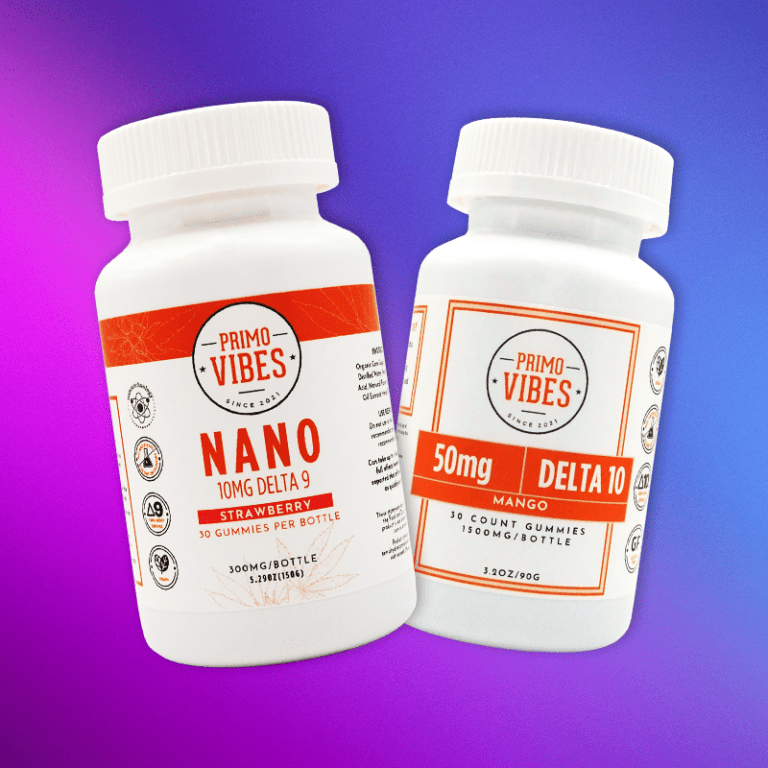
A common question arises: is Delta 9 THC the same as CBD? The answer is no. While both are cannabinoids derived from the cannabis plant, their effects on the body are quite different due to their distinct chemical structures and interactions with the endocannabinoid system. THC’s psychoactive nature contrasts sharply with CBD’s non-intoxicating profile, underscoring the diverse applications of these compounds.
One of the decisions consumers face is choosing between CBD oil with THC or without. CBD oil that contains THC can offer the benefits of both cannabinoids, potentially providing enhanced therapeutic effects through the entourage effect, where multiple cannabinoids work synergistically. This combination can be particularly effective for severe conditions like chronic pain or complex anxiety disorders. However, it also means that the product will have some psychoactive effects, albeit typically milder than pure THC products.
Conversely, CBD oil without THC caters to those who prefer to avoid any psychoactive effects. This makes it an attractive option for individuals who need to stay clear-headed and functional while seeking relief from symptoms like inflammation, anxiety, or insomnia. Additionally, THC-free CBD oil is often preferred by people subject to drug testing, as it eliminates the risk of testing positive for THC.
The legal landscape also plays a crucial role in the THC vs. CBD discussion. THC is still federally illegal in many countries, including the United States, though some states have legalized it for medical or recreational use. CBD, on the other hand, is legal in more regions, especially when derived from hemp plants containing less than 0.3% THC. This broader legality makes CBD more accessible to a wider audience.
Despite their differences, THC and CBD can be used together or separately, depending on individual needs and preferences. For those suffering from conditions that require potent symptom relief, a combination of CBD and THC might offer the most benefits. Conversely, those looking for daily wellness support or who are sensitive to THC‘s effects might prefer pure CBD products.
In conclusion, understanding what is the difference between THC and CBD is essential for anyone interested in cannabis for medical or recreational purposes. THC and CBD offer unique benefits and experiences, with THC providing psychoactive effects and potent relief for certain conditions, while CBD offers therapeutic benefits without the high. Whether choosing CBD oil with THC or without, individuals can tailor their cannabis use to their specific needs, preferences, and legal constraints. As research continues to uncover more about these fascinating compounds, consumers will be better equipped to make informed decisions about their health and wellness.