
THC-O Vs Delta 9
In the diverse world of cannabis, new cannabinoids continue to emerge, capturing the curiosity of enthusiasts and researchers. Among these, THC-O (tetrahydrocannabinol acetate) and Delta 9 THC (delta-9-tetrahydrocannabinol) stand out for their unique properties and effects. This blog explores the intricacies of THC-O vs Delta 9, delving into their chemistry, effects, legal status, and potential benefits.
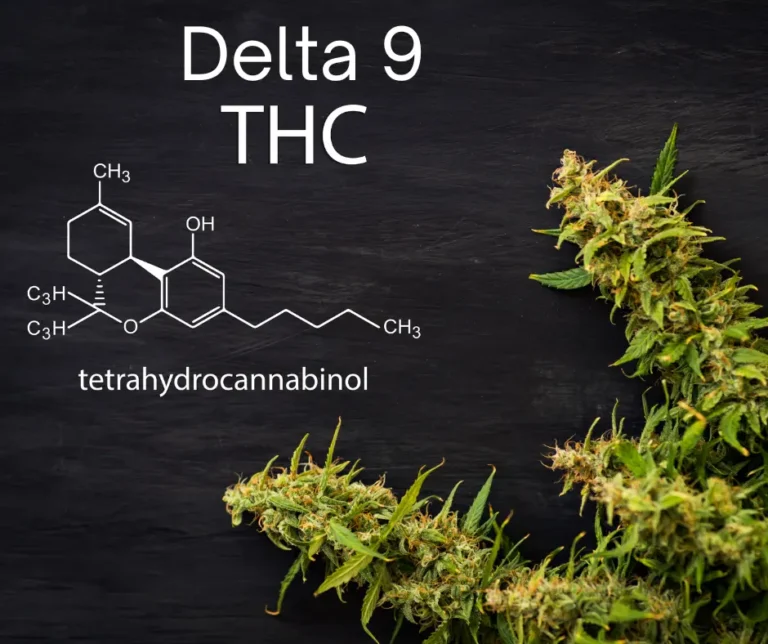
Delta 9 THC, commonly referred to as Delta 9, is the most well-known cannabinoid responsible for the psychoactive effects of cannabis. It binds to CB1 receptors in the brain, producing euphoria, relaxation, and altered sensory perception. Delta 9 has been extensively studied for both its recreational and medicinal uses, ranging from pain relief and appetite stimulation to its potential role in mental health.
In contrast, THC-O, or THC-O acetate, is a synthetic analog of THC. It is created by adding an acetate group to the THC molecule through a chemical process, making it distinct from naturally occurring cannabinoids. This modification is believed to enhance the potency of THC-O compared to Delta 9. Users often report that THC-O delivers a significantly stronger and more psychedelic experience than Delta 9, raising intriguing questions about what is delta 9 THCO and how it compares in terms of effects and safety.
The comparison of THC-O vs Delta 9 extends beyond their potency. Delta 9’s effects are well-documented and predictable for most users, making it a reliable choice for both recreational and medicinal purposes. Its legality varies, with Delta 9 being federally illegal in many places but permitted in others under specific conditions.
On the other hand, THC-O occupies a legal gray area similar to other synthetic cannabinoids. Because it is not naturally found in cannabis plants, THC-O has yet to be explicitly addressed in many legal frameworks. This ambiguity can be both a benefit and a risk. For some, it offers a legal alternative to Delta 9, especially in regions where traditional THC is prohibited. However, the lack of regulation also means that THC-O products can vary in quality and safety, as they are not subject to the same rigorous testing as natural cannabis products.
When considering delta 9 vs THC-O, the method of consumption is another important factor. Delta 9 is available in various forms, including flower, edibles, tinctures, and concentrates, providing users with a wide range of options to suit their preferences. THC-O, being a synthetic compound, is typically found in vape cartridges, edibles, and tinctures. The onset and duration of effects can differ between these two cannabinoids, with some users reporting that THC-O has a delayed onset but longer-lasting effects compared to Delta 9.
The potential therapeutic applications of delta 9 or THC-O also merit consideration. While Delta 9’s medicinal benefits are supported by a growing body of research, the therapeutic potential of THC-O is still largely unexplored. Anecdotal reports suggest that THC-O may offer similar benefits, such as pain relief and anxiety reduction, but its heightened potency and psychedelic effects could also pose challenges, particularly for inexperienced users or those with a low tolerance for THC.
In discussing what is Delta 9 THCO and its implications, it is crucial to emphasize the need for responsible use and thorough research. The potent nature of THC-O means that it should be approached with caution, especially by those new to cannabinoids. Understanding the dosage, potential interactions, and individual tolerance levels is essential to ensure a safe and enjoyable experience.
In conclusion, the debate of THC-O vs Delta 9 underscores the evolving landscape of cannabis and its many cannabinoids. Both compounds offer unique experiences and potential benefits, yet they also come with their own set of challenges and uncertainties. As interest in synthetic cannabinoids like THC-O grows, ongoing research and clear regulatory guidelines will be vital to ensure their safe and effective use. Whether exploring delta 9 or THC-O, informed decision-making and careful consideration of the available information will help users navigate this complex and fascinating field.