
What Is THC
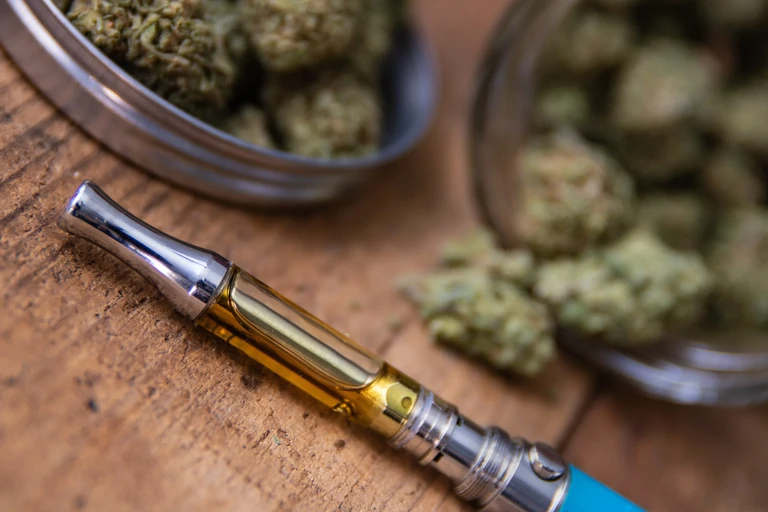
Tetrahydrocannabinol, commonly known as THC, is a compound found in the cannabis plant that has drawn widespread attention for its psychoactive properties. As the primary chemical responsible for the “high” associated with marijuana use, THC has played a significant role in shaping the cannabis industry, from recreational products to medical applications. Its influence spans a variety of forms, including edibles, vapes, oils, and concentrates.
THC is part of a class of compounds called cannabinoids, which interact with the body’s endocannabinoid system (ECS). This complex cell-signaling system plays a vital role in regulating various physiological processes, such as mood, appetite, pain sensation, and memory. THC binds to cannabinoid receptors, primarily CB1 receptors in the brain, producing effects that range from euphoria to altered sensory perception. The unique way THC interacts with these receptors is what leads to the intoxicating effects that distinguish it from other cannabinoids like CBD (cannabidiol).
The discovery of THC dates back to the 1960s when Israeli chemist Dr. Raphael Mechoulam isolated the compound. Since then, research has delved deeper into understanding its chemical structure, physiological effects, and potential medical benefits.
As the field of cannabis research has grown, so has the understanding of how THC can be utilized both for recreational enjoyment and therapeutic purposes.
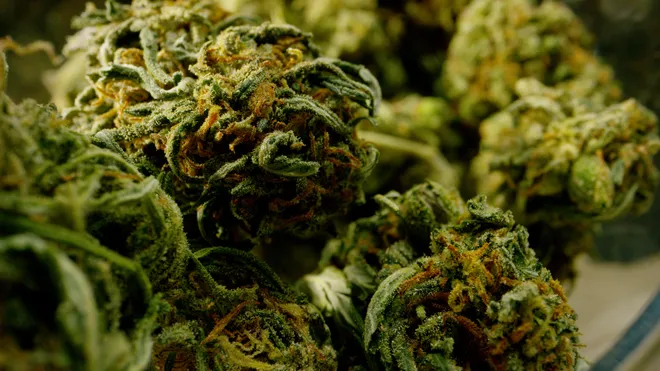
One of the key factors that differentiate THC from other cannabinoids is its psychoactive nature. Upon consumption, THC can cause a variety of mental and physical effects, including heightened sensory awareness, relaxation, and changes in mood. Some users may experience an increase in creativity or a shift in perception, while others may encounter short-term memory impairments or anxiety, depending on the dosage and their individual biology. The balance between its effects can be controlled by dosage, consumption method, and tolerance levels, making it essential for consumers to start slow and monitor their reactions.
Beyond recreational use, THC has found a place in the medical cannabis sector. Many patients turn to THC-rich products to manage chronic pain, nausea, and loss of appetite, particularly in conditions such as cancer, AIDS, and multiple sclerosis. Its analgesic properties are well-documented, and THC is a common component in medical cannabis prescriptions for pain relief. Additionally, THC has shown potential in managing conditions like insomnia and post-traumatic stress disorder (PTSD), where the psychoactive effects can provide relief from mental and physical discomfort.
The legal landscape surrounding THC is complex and varies widely by region. In some states and countries, THC-rich cannabis is legal for both recreational and medical use, while in others, its possession and use remain strictly prohibited. With legalization expanding, particularly in North America, the market for THC products has seen exponential growth, leading to innovations in product development and consumption methods. From traditional smoking to sophisticated vaping devices and edibles, consumers have a variety of ways to enjoy THC, each offering different experiences in terms of onset time and intensity.
The future of THC research looks promising as scientists continue to explore its broader applications. While there is still debate over its long-term impact on mental health, particularly in younger users or those with predispositions to mental health conditions, the general consensus supports its therapeutic potential when used responsibly. Additionally, emerging studies are looking into the synergy between THC and other cannabinoids, such as CBD, to maximize the health benefits while minimizing unwanted side effects like paranoia or anxiety.
THC remains one of the most significant compounds in the cannabis plant, contributing to both its recreational allure and its medicinal promise. Its interaction with the endocannabinoid system opens a range of possibilities for managing physical and mental health conditions. As legalization efforts continue and research deepens, the understanding of THC’s full potential will likely evolve, shaping the future of cannabis-based products for years to come. Whether you’re a consumer looking for relaxation or a patient seeking relief, THC offers a unique blend of effects that make it a cornerstone of the cannabis experience.