
Does Delta 9 Affect Your Lungs
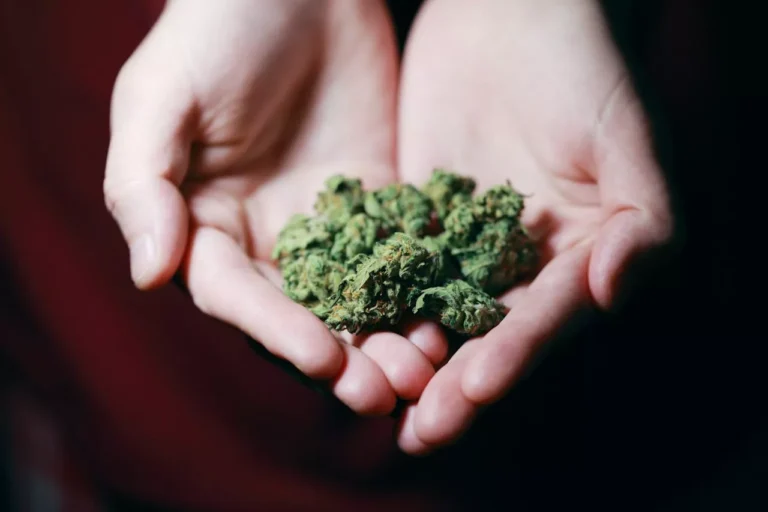
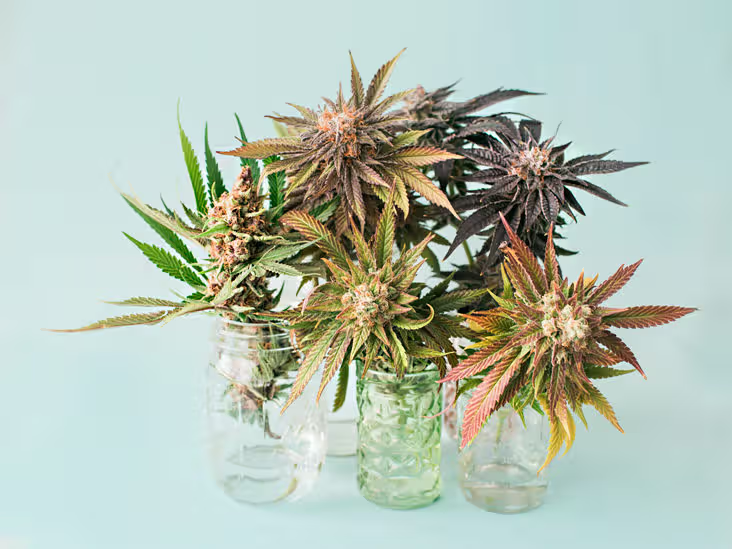
Delta 9 THC, the primary psychoactive compound in cannabis, has gained widespread popularity due to its recreational and therapeutic benefits. However, with increasing use, questions arise about its effects on lung health. Understanding how Delta 9 affects the respiratory system is essential for users who consume it through smoking, vaping, or other inhalation methods.
The Impact of Smoking Delta 9 on Lung Health
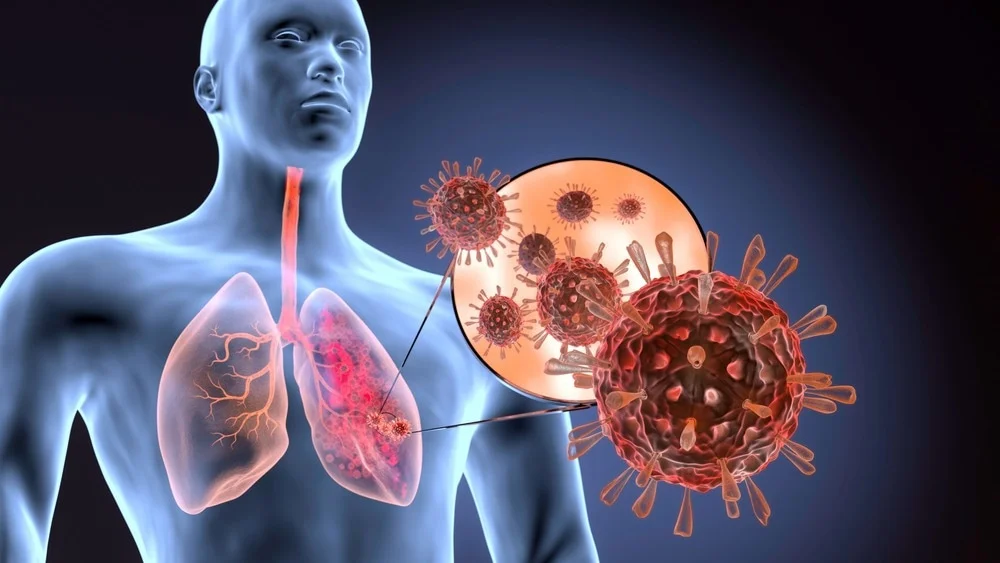
Smoking Delta 9, whether through traditional cannabis flower or pre-rolled joints, exposes the lungs to combustion byproducts. The process of burning cannabis releases tar, carbon monoxide, and other harmful substances, similar to tobacco smoke. Long-term smoking can lead to respiratory issues such as chronic bronchitis, coughing, and increased mucus production. Studies suggest that while cannabis smoke contains some of the same toxins as cigarette smoke, its impact on lung function is not identical, and more research is needed to determine the full extent of potential damage.
Vaping Delta 9 and Respiratory Risks
Vaping Delta 9 has become a popular alternative to smoking, often perceived as a cleaner method of consumption. Vaporizers heat the cannabinoid at lower temperatures than combustion, potentially reducing exposure to harmful byproducts. However, concerns remain about the additives and thinning agents used in some vape products. Substances such as propylene glycol and vitamin E acetate have been linked to lung inflammation and conditions like EVALI (e-cigarette or vaping-associated lung injury). The long-term effects of vaping Delta 9 are still under investigation, but consumers should be cautious about product quality and ingredient transparency.
Edibles and Alternative Consumption Methods
For individuals concerned about lung health, alternative Delta 9 consumption methods, such as edibles, tinctures, or capsules, eliminate inhalation risks. Edibles bypass the respiratory system entirely, providing a safer option for those with pre-existing lung conditions or sensitivities. While edibles take longer to produce effects, they offer a smoke-free experience that may be preferable for long-term wellness.
Final Considerations on Delta 9 and Lung Health
The way Delta 9 is consumed plays a significant role in its impact on lung health. Smoking and vaping pose potential risks, particularly with prolonged use or exposure to low-quality products containing harmful additives. Users seeking to minimize respiratory concerns may consider alternative methods such as edibles or tinctures. As cannabis research continues to evolve, staying informed about consumption methods and product safety remains crucial for maintaining lung health while enjoying the benefits of Delta 9 THC.