

Can Delta 9 Cause Seizures
he relationship between cannabis and seizures has been a topic of intense interest and debate within the medical community for decades. Delta-9-tetrahydrocannabinol (Delta 9 THC), the primary psychoactive component of cannabis, is at the heart of this discussion. While there is significant evidence suggesting cannabis can help reduce seizure frequency in some individuals, especially those with epilepsy, questions remain: can Delta 9 cause seizures?
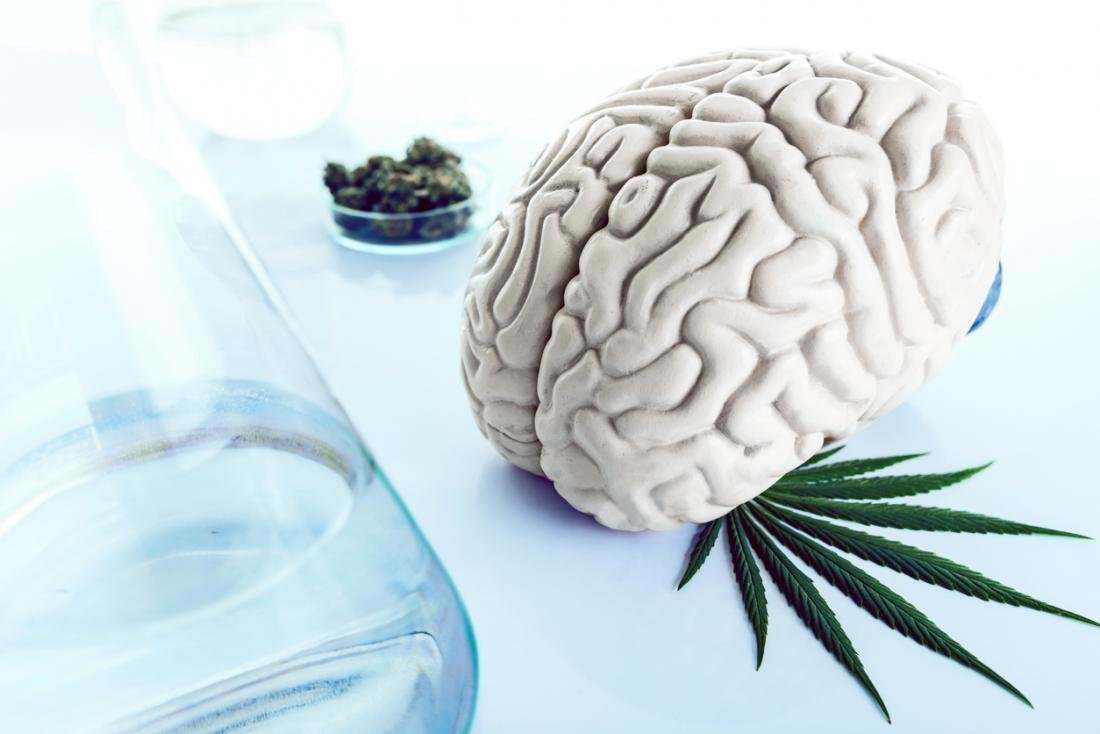
Delta 9 THC is well-known for its psychoactive effects, which include euphoria, altered perception, and relaxation. These effects result from Delta 9 binding to CB1 receptors in the brain, which are part of the body’s endocannabinoid system. This interaction influences various neurological processes, including mood, appetite, and pain perception. However, it’s this very interaction that raises concerns about the potential for Delta 9 to cause seizures in certain individuals.
Research into the effects of Delta 9 THC on seizures has produced mixed results. Some studies indicate that THC can have anticonvulsant properties, helping to reduce the frequency and severity of seizures. This has been particularly noted in conditions like Dravet syndrome and Lennox-Gastaut syndrome, which are severe forms of epilepsy. These findings have led to the development and approval of cannabinoid-based medications like Epidiolex, which contains cannabidiol (CBD), a non-psychoactive component of cannabis.
However, it’s essential to distinguish between CBD and Delta 9 THC. While CBD has been shown to have significant anticonvulsant properties, the role of Delta 9 THC is more complex and less understood. Some evidence suggests that high doses of Delta 9 THC might actually induce seizures in certain individuals, particularly those with a predisposition to epilepsy or other neurological disorders.
The question “Can Delta 9 cause seizures?” becomes even more pertinent when considering individual variability. The effects of THC can vary widely from person to person, influenced by factors such as genetics, overall health, existing medical conditions, and even the specific strain of cannabis used. For instance, some individuals with epilepsy have reported an increase in seizure activity after consuming cannabis products high in THC. Conversely, others have found relief from their symptoms.
One of the primary challenges in answering whether Delta 9 can cause seizures is the lack of standardized research. Many studies on cannabis and seizures are anecdotal or based on small sample sizes, leading to inconclusive results. Moreover, the varying legal status of cannabis around the world complicates large-scale, controlled studies necessary to provide definitive answers.
Another critical aspect to consider is the dosage. Lower doses of Delta 9 THC might have a different effect on seizure activity compared to higher doses. Some research suggests that low doses of THC could potentially reduce seizure frequency, while higher doses might increase the risk. This dose-dependent effect highlights the importance of careful and controlled administration of THC, especially in individuals with epilepsy.
It’s also worth noting that cannabis products often contain a mix of cannabinoids, including CBD and other compounds that might modulate the effects of Delta 9 THC. This entourage effect could mean that the presence of other cannabinoids mitigates the potential seizure-inducing properties of THC.
In conclusion, the question “Can Delta 9 cause seizures?” does not have a straightforward answer. While there is evidence suggesting that THC can both reduce and potentially trigger seizures, the exact outcome depends on numerous variables, including individual susceptibility, dosage, and the presence of other cannabinoids. For individuals with epilepsy or other neurological disorders, it is crucial to consult with healthcare professionals before using cannabis products. Ongoing research and clinical trials are necessary to unravel the complex relationship between Delta 9 THC and seizure activity, ultimately providing clearer guidance for patients and healthcare providers.