
CBD Flower Vs THC Flower
In the ever-evolving landscape of cannabis products, two terms frequently crop up: CBD flower and THC flower. While both are derived from the same plant, Cannabis sativa, they offer distinct experiences due to their differing chemical compositions. Understanding these nuances is crucial for consumers seeking to make informed choices about their cannabis consumption. In this article, we delve into the characteristics, effects, and potential benefits of CBD flower versus THC flower.
The Chemistry Behind the Buzz
To grasp the dissimilarities between CBD and THC flowers, it’s essential to first grasp the basics of their chemical makeup. Both CBD (cannabidiol) and THC (tetrahydrocannabinol) are cannabinoids, which are compounds found within the cannabis plant. However, they interact with the body in vastly different ways.
THC is the psychoactive compound responsible for the “high” associated with cannabis use. It binds with cannabinoid receptors in the brain, altering neurotransmitter release and producing euphoria, relaxation, and sometimes even heightened sensory perception.
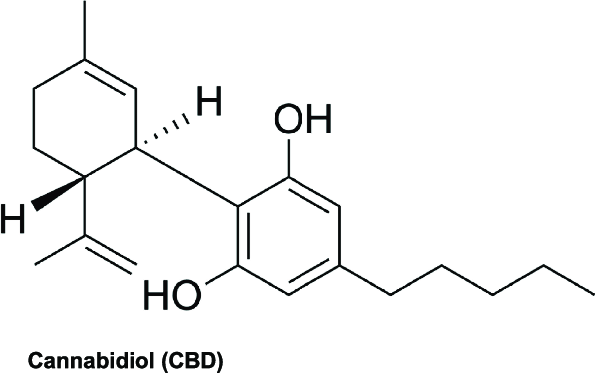

On the other hand, CBD is non-intoxicating and doesn’t produce the same euphoric effects as THC. It interacts indirectly with cannabinoid receptors, modulating their activity and influencing various physiological processes.
CBD is often praised for its potential therapeutic benefits, including anxiety relief, pain management, and anti-inflammatory properties.
CBD Flower: A Soothing Companion
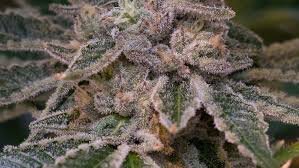
CBD flower refers to cannabis buds bred specifically to contain high levels of cannabidiol and low levels of THC. These strains are cultivated to harness the potential health benefits of CBD without inducing intoxication.
One of the primary appeals of CBD flower is its purported therapeutic properties. Many users turn to CBD as a natural alternative for managing anxiety, stress, and chronic pain. Research suggests that CBD may help alleviate symptoms of various conditions, including epilepsy, insomnia, and even acne. Additionally, CBD is lauded for its anti-inflammatory properties, making it a popular choice among athletes and individuals seeking relief from exercise-induced soreness.
Beyond its potential health benefits, CBD flower offers a milder, more subtle experience compared to THC-rich varieties. Users can enjoy the relaxing effects of cannabis without the cognitive impairment associated with THC consumption. This makes CBD flower an attractive option for individuals seeking symptom relief without the psychoactive side effects.
THC Flower: Unraveling the High
In contrast to CBD flower, THC flower contains significant levels of tetrahydrocannabinol, the compound responsible for cannabis’ psychoactive effects. These strains are cultivated for recreational and medicinal purposes, offering users a potent and euphoria-inducing experience.
The effects of THC flower can vary depending on factors such as potency, consumption method, and individual tolerance levels. In low to moderate doses, THC often produces feelings of euphoria, relaxation, and heightened sensory perception. Many users report enhanced creativity, introspection, and a sense of well-being when consuming THC-rich cannabis.
It’s essential to approach THC flower with caution, especially for novice users or those sensitive to its effects. High doses of THC can lead to adverse reactions such as anxiety, paranoia, and impaired cognitive function. Additionally, frequent use of high-THC cannabis may contribute to tolerance, dependence, and potential long-term cognitive deficits.
Despite these potential drawbacks, THC flower remains immensely popular among recreational users and medical patients alike. For some, the psychoactive effects of THC provide temporary escape from stress, pain, and everyday worries. For others, THC-rich strains offer relief from symptoms associated with conditions such as chronic pain, nausea, and PTSD.
Navigating the Legal Landscape
The legality of CBD and THC flower varies depending on jurisdiction. In many regions, hemp-derived CBD products containing less than 0.3% THC are legal at the federal level, thanks to the passage of the 2018 Farm Bill in the United States. However, regulations surrounding THC-rich cannabis are more complex, with legalization status determined by individual states or countries.
In states where cannabis is legal for recreational or medicinal use, consumers have access to a wide range of THC flower varieties, including high-THC strains bred for potency and flavor. These markets offer greater diversity and quality control, allowing users to select products tailored to their preferences and needs.
The Verdict: CBD vs. THC Flower
In the debate between CBD flower and THC flower, there’s no one-size-fits-all answer. Both offer unique benefits and experiences, catering to different preferences and purposes.
CBD flower appeals to those seeking therapeutic relief without intoxication, providing a gentle alternative for managing various health conditions. Its non-psychoactive nature and wide availability make it an accessible option for individuals of all backgrounds.
THC flower remains the go-to choice for recreational users and medical patients seeking potent effects and euphoric highs. Its psychoactive properties and diverse strain profiles offer a spectrum of experiences, from uplifting and energizing to deeply relaxing and sedating.
Ultimately, whether you opt for CBD flower or THC flower boils down to personal preference, desired effects, and individual wellness goals. By understanding the distinctions between these two cannabis varieties, consumers can make informed decisions that align with their needs and values. Whether you’re seeking relief, relaxation, or recreation, there’s a cannabis flower out there waiting to elevate your experience.