
Delta 9 Not Working
Delta-9-tetrahydrocannabinol (Delta 9 THC) is the primary psychoactive compound in cannabis, widely known for producing the euphoric high that users seek. However, some individuals may experience a phenomenon where Delta 9 is not working as effectively as it used to. This can be frustrating and confusing, especially for those who rely on Delta 9 for its therapeutic benefits. Let’s delve into the reasons why Delta 9 may not be working, and explore potential solutions to this issue.
One of the most common reasons for Delta 9 not working is the development of tolerance. Regular use of Delta 9 THC can lead to the body becoming accustomed to its effects, requiring higher doses to achieve the same level of relief or euphoria. This happens because Delta 9 THC interacts with cannabinoid receptors in the brain, particularly the CB1 receptors. Over time, these receptors can become desensitized or downregulated, reducing the compound’s effectiveness.
If you find that Delta 9 is not working as well as it used to, it might be time to consider a tolerance break. A tolerance break, or “T-break,” involves abstaining from cannabis use for a period to allow your cannabinoid receptors to reset and regain sensitivity. The length of a tolerance break can vary depending on individual usage patterns, but even a short break of a few days to a week can make a significant difference for some users.
Another factor to consider is the method of consumption. The bioavailability of Delta 9 THC—that is, the proportion of the compound that enters the circulation when introduced into the body—can vary significantly depending on how it is consumed.

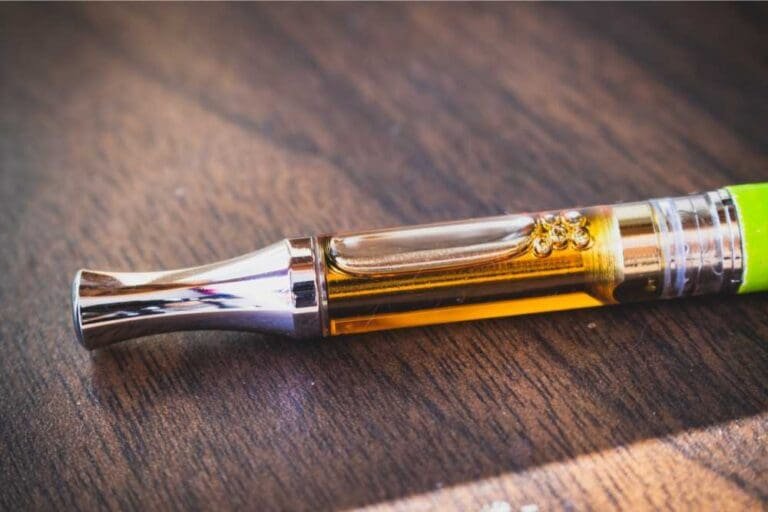
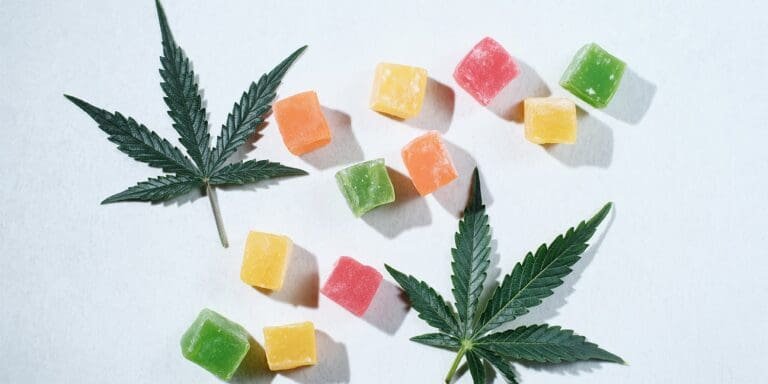
Smoking or vaping Delta 9 can provide rapid effects, but the bioavailability is generally lower compared to edibles, which pass through the digestive system and liver before entering the bloodstream. If you find that Delta 9 is not working, experimenting with different consumption methods might help you find a more effective way to experience its benefits.
The strain and cannabinoid profile of the cannabis you are using can impact its effectiveness. Cannabis contains a wide range of cannabinoids and terpenes that can influence its effects. If Delta 9 is not working, you might benefit from trying a different strain or product with a varied cannabinoid profile. For instance, some users find that strains with higher levels of cannabidiol (CBD) or other minor cannabinoids can enhance the overall experience and effectiveness of Delta 9 THC.
Diet and overall health can also play a role in how Delta 9 THC affects you. Factors such as hydration, nutrition, and overall physical condition can influence how your body metabolizes cannabinoids. Ensuring that you are well-hydrated, maintaining a balanced diet, and taking care of your general health can optimize your body’s response to Delta 9 THC.
For those who use Delta 9 THC for medical reasons, consulting with a healthcare professional is crucial if it seems that Delta 9 is not working. There may be underlying medical conditions or interactions with other medications that could be affecting the efficacy of Delta 9. A healthcare professional can provide guidance on dosage adjustments, alternative treatments, or additional therapies that might be more effective for your specific needs.
In some cases, exploring alternative cannabinoids might be beneficial. Cannabinoids such as Delta 8 THC, HHC, or CBD can offer different effects and might be more effective depending on your individual response. Delta 8 THC, for example, is known for providing a milder high compared to Delta 9, which some users find preferable. HHC (hexahydrocannabinol) is another cannabinoid that has been gaining attention for its potential psychoactive effects and could serve as an alternative if Delta 9 is not working for you.
If you find that Delta 9 THC is not working as effectively as it once did, there are several factors to consider. Tolerance development, consumption methods, strain selection, and overall health can all influence the effectiveness of Delta 9. By understanding these factors and making informed adjustments, you can optimize your cannabis experience and continue to benefit from its therapeutic and recreational properties. Always consult with a healthcare professional if you have concerns about your cannabis use or its effectiveness.