
Does THC-A Get You High?
As cannabis becomes more mainstream, consumers are exploring the many compounds that make up the plant. While THC (tetrahydrocannabinol) is widely recognized for its psychoactive effects, a lesser-known cannabinoid is starting to gain attention—THC-A (tetrahydrocannabinolic acid). One of the most common questions surrounding THC-A is: does it get you high? In this blog, we’ll unpack the science behind THC-A and its effects on the body, so you can make informed decisions about this intriguing cannabinoid.
What is THC-A?
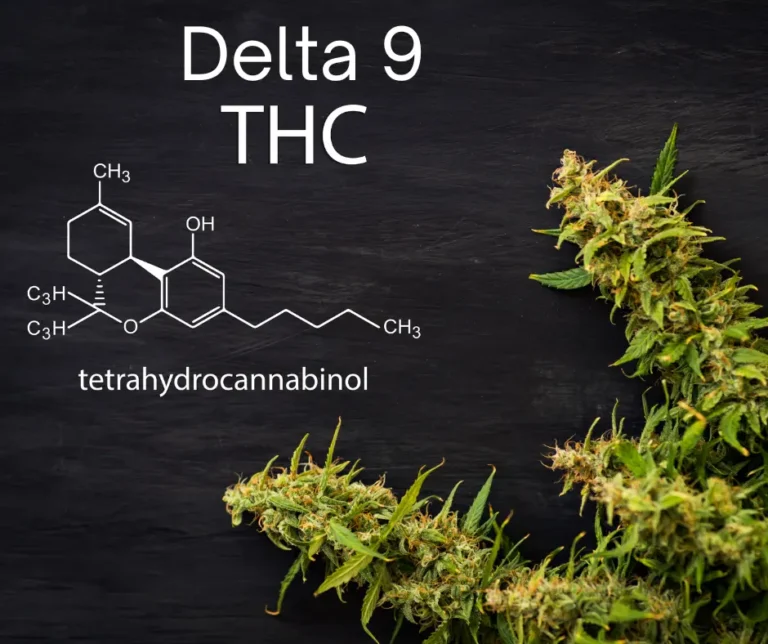
THC-A, or tetrahydrocannabinolic acid, is the raw, acidic form of THC found in cannabis plants. When cannabis is harvested and left unheated, THC-A remains non-psychoactive, meaning it won’t cause the typical “high” associated with marijuana. In its natural state, THC-A is abundant in fresh cannabis flowers, but it doesn’t have the same mind-altering properties as THC.
The Science Behind THC-A
To understand why THC-A doesn’t produce a high, it’s important to look at the process called decarboxylation. Decarboxylation occurs when cannabis is exposed to heat, such as through smoking, vaporizing, or cooking. During this process, THC-A loses a carboxyl group (COOH), converting into THC, the active compound responsible for the high. Without decarboxylation, THC-A remains intact and doesn’t interact with the brain’s cannabinoid receptors in the same way THC does.
Does THC-A Have Any Effects?
While THC-A doesn’t get you high, it still offers potential benefits. Research suggests that THC-A may have anti-inflammatory, neuroprotective, and antiemetic (anti-nausea) properties. These effects make it appealing to those seeking therapeutic uses for cannabis without the psychoactive experience. Some studies also indicate that THC-A could be beneficial for conditions like arthritis, epilepsy, and autoimmune disorders. However, more research is needed to fully understand its medicinal potential.
How to Consume THC-A
If you’re interested in consuming THC-A, the key is to avoid heating the cannabis. This means using raw cannabis in juices, smoothies, or tinctures. Many users are exploring raw cannabis juicing, which involves blending fresh cannabis leaves or flowers to maintain the THC-A content. Tinctures that are specifically formulated to preserve THC-A are also an option for those looking to benefit from the cannabinoid without any psychoactive effects.
THC-A vs. THC: Key Differences
- Psychoactivity: THC-A does not cause a high, while THC is well-known for its psychoactive effects.
- Raw vs. Heated: THC-A is found in raw, unheated cannabis, while THC is the result of heating (decarboxylating) THC-A.
- Therapeutic Uses: Both compounds may offer therapeutic benefits, but THC is more established in terms of recreational use, whereas THC-A is being explored for its potential in wellness and health.
Is THC-A Legal?
One of the key points of interest in THC-A is its legal status. Since THC-A in its raw form does not cause a high, it is often categorized differently from THC in legal terms. In the United States, hemp-derived THC-A products (containing less than 0.3% THC) are federally legal under the 2018 Farm Bill. However, cannabis laws vary by state, so it’s important to check local regulations before purchasing or consuming THC-A products.
Final Thoughts: Can THC-A Get You High?
The short answer is no, THC-A does not get you high. Unlike THC, which interacts directly with the brain’s cannabinoid receptors to produce a psychoactive effect, THC-A remains non-psychoactive unless heated. This makes it an appealing option for those who want to explore cannabis for its health benefits without experiencing the mind-altering effects of THC.
Whether you’re a medical cannabis patient or someone looking to enhance wellness with cannabinoids, THC-A offers a unique opportunity to tap into the potential of cannabis without the high. As research on THC-A grows, it will be exciting to see how this cannabinoid continues to shape the future of cannabis use.