
How Is Delta 9 Extracted From Hemp
The cannabis industry has seen tremendous growth and innovation over recent years, with significant advancements in the extraction and refinement of cannabinoids. One area of keen interest is the extraction of Delta 9 THC from hemp.
As the legal landscape around cannabis continues to evolve, understanding how Delta 9 from hemp is extracted is crucial for both consumers and industry stakeholders. This blog delves into the detailed process of how Delta 9 THC is derived from hemp, the legal nuances surrounding its extraction, and the science behind achieving compliant products.
Understanding Delta 9 THC and Hemp
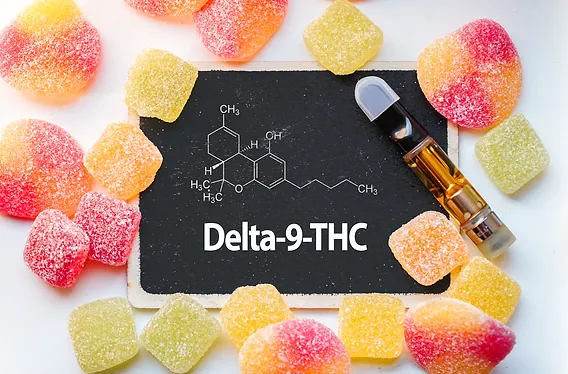
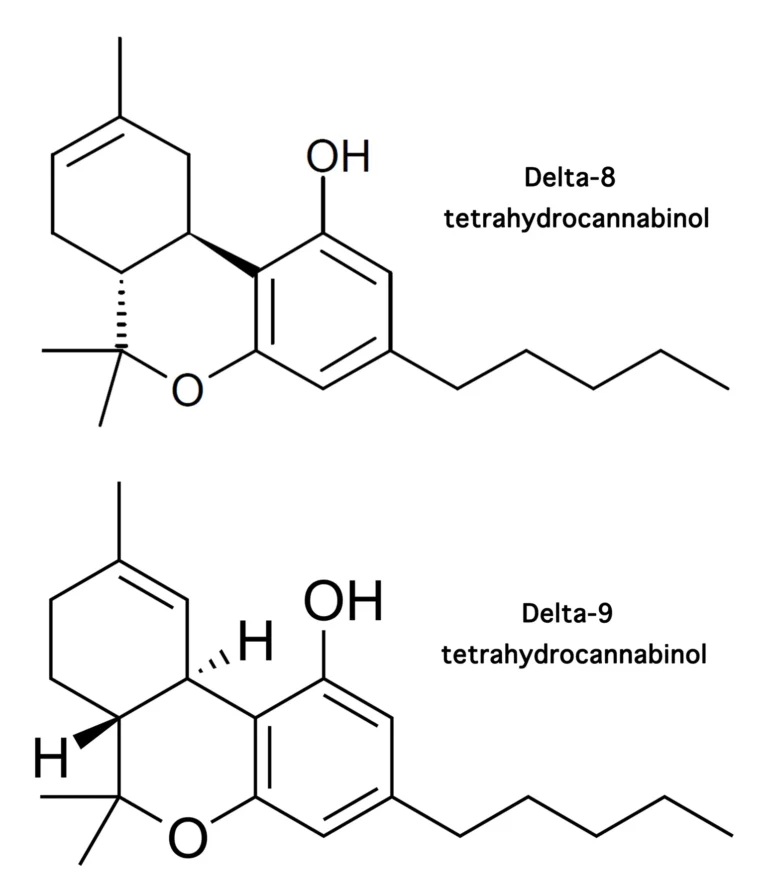
Delta 9 THC, or delta-9-tetrahydrocannabinol, is the primary psychoactive compound found in cannabis. It’s known for producing the euphoric “high” that users associate with marijuana. However, Delta 9 THC can also be extracted from hemp, a variant of the Cannabis sativa plant that is legally defined as containing no more than 0.3% Delta 9 THC by dry weight. This legal distinction allows for the production of hemp-derived Delta 9 products that comply with federal regulations while offering similar effects to marijuana-derived Delta 9 THC.
The Legal Framework and Significance of 0.3% Delta 9 THC
The legal framework surrounding hemp-derived Delta 9 THC hinges on the 2018 Farm Bill, which legalized the cultivation of hemp and the production of hemp-derived products, provided they contain less than 0.3% Delta 9 THC by dry weight. This threshold is critical because it dictates the legality of hemp-derived Delta 9 products. Understanding “how much is 0.3% Delta 9 THC” in terms of actual product weight and concentration is essential for manufacturers to ensure compliance and avoid legal issues.
How Is Delta 9 Extracted from Hemp?
The extraction of Delta 9 from hemp involves several sophisticated techniques aimed at isolating this cannabinoid while ensuring the final product remains within the legal THC limit. Here’s a detailed look at the primary methods used:
Biomass Preparation: The process begins with the careful selection and preparation of hemp biomass. The plant material is dried and ground to increase the surface area, which enhances the efficiency of the extraction process.
Initial Extraction: The ground hemp is subjected to an initial extraction process using solvents such as ethanol, CO2, or hydrocarbons like butane or propane. Each method has its own advantages and nuances:
Ethanol Extraction: Ethanol is a polar solvent that efficiently extracts a broad spectrum of cannabinoids and terpenes. The hemp is soaked in ethanol, which dissolves the cannabinoids. The resulting solution is then filtered to remove plant particulates.
CO2 Extraction: Supercritical CO2 extraction is a popular method due to its safety and ability to produce high-purity extracts. CO2 is pressurized and heated until it becomes supercritical, a state where it exhibits properties of both a liquid and a gas. The supercritical CO2 is then passed through the hemp, extracting the cannabinoids and terpenes.
Hydrocarbon Extraction: Using butane or propane as solvents, this method is highly effective in extracting cannabinoids. However, it requires careful handling due to the flammability of the solvents.
Winterization: After the initial extraction, the crude extract undergoes winterization, a process that removes undesirable compounds such as fats, waxes, and lipids. The extract is mixed with ethanol and chilled to precipitate these impurities, which are then filtered out.
Distillation: The refined extract is subjected to distillation to further purify and concentrate the cannabinoids. During this step, the extract is heated, and the cannabinoids are separated based on their boiling points. This results in a highly concentrated Delta 9 THC distillate.
Chromatography: To ensure the final product meets the legal requirement of containing less than 0.3% Delta 9 THC, chromatography techniques are employed. High-performance liquid chromatography (HPLC) or flash chromatography is used to isolate and separate cannabinoids, allowing for precise control over the Delta 9 THC content.
How Is Hemp-Derived Delta 9 Made?
Hemp-derived Delta 9 THC can be incorporated into various products, including edibles, tinctures, and vape cartridges. The process of “how is hemp-derived Delta 9 made” involves formulating the purified Delta 9 distillate into these consumer-friendly products while ensuring the overall Delta 9 content remains within legal limits.
Edibles: The Delta 9 distillate is infused into food products such as gummies, chocolates, and baked goods. Producers must calculate the total weight of the product and the concentration of Delta 9 to ensure compliance with the 0.3% limit.
Tinctures and Oils: Delta 9 distillate is dissolved in carrier oils like MCT (medium-chain triglycerides) or hemp seed oil to create tinctures. Precise measurements and thorough mixing ensure the product is homogenous and compliant.
Vape Cartridges: The distillate is mixed with terpenes and other additives to create vape cartridge formulations. These products require rigorous testing to maintain consistency and compliance.
Ensuring Compliance and Safety
The complexity of extracting and producing hemp-derived Delta 9 THC products underscores the importance of rigorous testing and quality control. Third-party lab testing is essential to verify the Delta 9 THC content and ensure the absence of contaminants such as residual solvents, pesticides, and heavy metals. Producers must adhere to good manufacturing practices (GMP) to guarantee product safety and quality.
Conclusion
The extraction of Delta 9 THC from hemp represents a fascinating intersection of science, agriculture, and regulatory compliance. Understanding “how is Delta 9 extracted from hemp” and the detailed processes involved provides valuable insight into the burgeoning hemp industry. As the legal and scientific landscapes continue to evolve, staying informed about the methods and regulations governing hemp-derived Delta 9 THC will be crucial for consumers, producers, and policymakers alike.
The journey from hemp plant to finished Delta 9 product is intricate and requires precision at every step to ensure legality and safety. Whether you’re a curious consumer or an industry insider, appreciating the complexities of how hemp-derived Delta 9 is made enhances our collective knowledge and appreciation for this remarkable plant and its potential.