
How To Make THC-Oil
THC oil has become increasingly popular as cannabis enthusiasts explore alternative methods of consumption. Unlike traditional smoking, THC oil offers a more discreet and convenient option, often used in vaporizers, tinctures, or edibles. With the surge in demand, many people are curious about how to make THC oil at home. This process requires knowledge, precision, and patience, ensuring the final product is potent, safe, and effective.
Understanding THC Oil
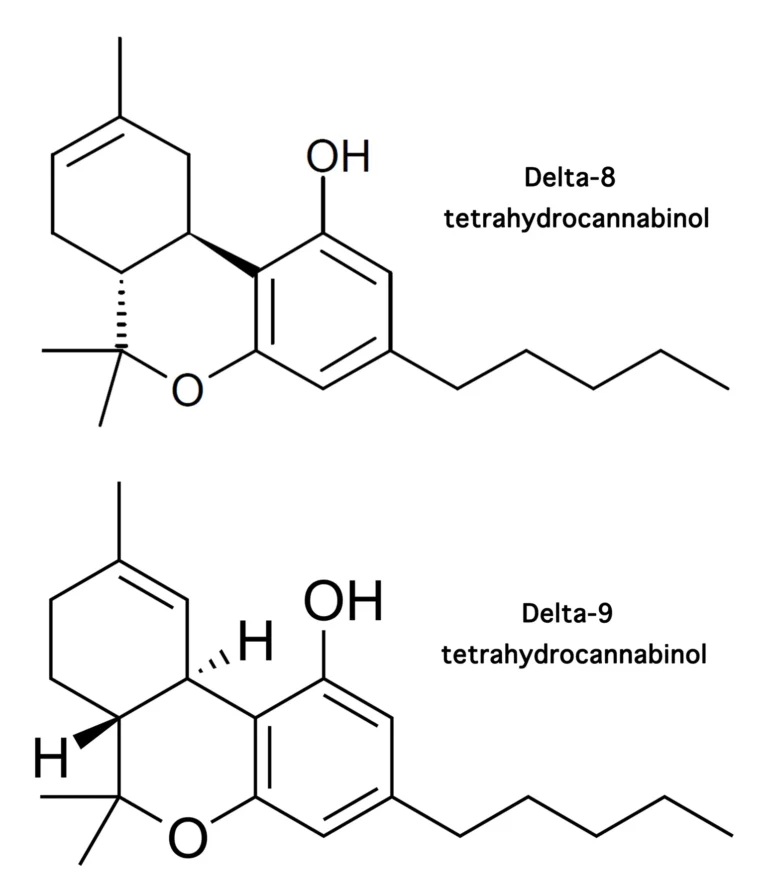
THC, or tetrahydrocannabinol, is the psychoactive compound in cannabis that produces the characteristic high. THC oil is an extract of this compound, often suspended in a carrier oil such as coconut or olive oil. The goal of making THC oil is to separate the cannabinoids from the plant material, resulting in a concentrated product that can be used in various applications.
When creating THC oil, there are two primary methods of extraction: solvent-based extraction and solventless extraction. Both methods have their advantages, but solvent-based extraction is more common for home use due to its accessibility and efficiency.
Solvent-Based Extraction: The Foundation of THC Oil
Solvent-based extraction is a popular method for making THC oil because it effectively breaks down plant material and pulls out the cannabinoids. This process often uses alcohol, like ethanol, or a hydrocarbon solvent like butane or propane. While using hydrocarbons can yield highly potent oil, it’s important to take extra precautions since these solvents are flammable and require proper ventilation and safety measures.
The solvent is introduced to cannabis, dissolving the THC along with other cannabinoids and terpenes.
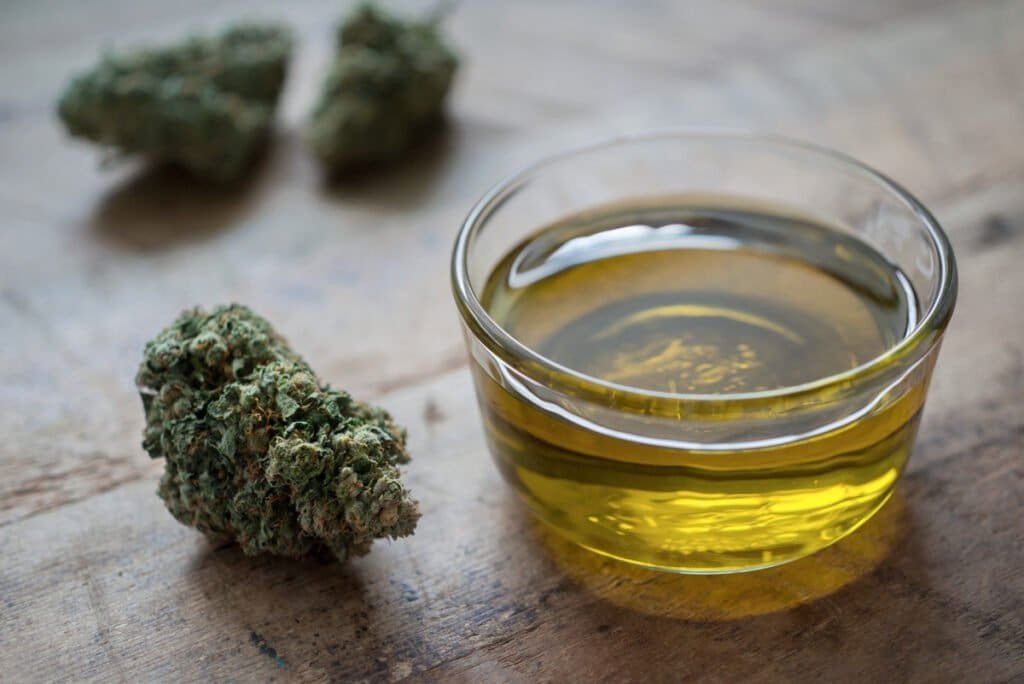
Once the solution is created, it is filtered to remove unwanted plant material, leaving only the cannabinoid-rich liquid behind. The next step involves purging the solvent from the mixture. This is typically done using heat and vacuum pressure to ensure that no residual solvents remain in the final product. Proper purging is essential for creating a safe and clean THC oil.
Carrier Oils: The Role They Play
Once the THC has been extracted and the solvent purged, it’s time to introduce the carrier oil. The choice of carrier oil will influence the final product’s taste, consistency, and bioavailability. Coconut oil is a popular option due to its high fat content, which binds well with THC, enhancing absorption in the body. Olive oil is another alternative, offering a neutral taste and ease of use.
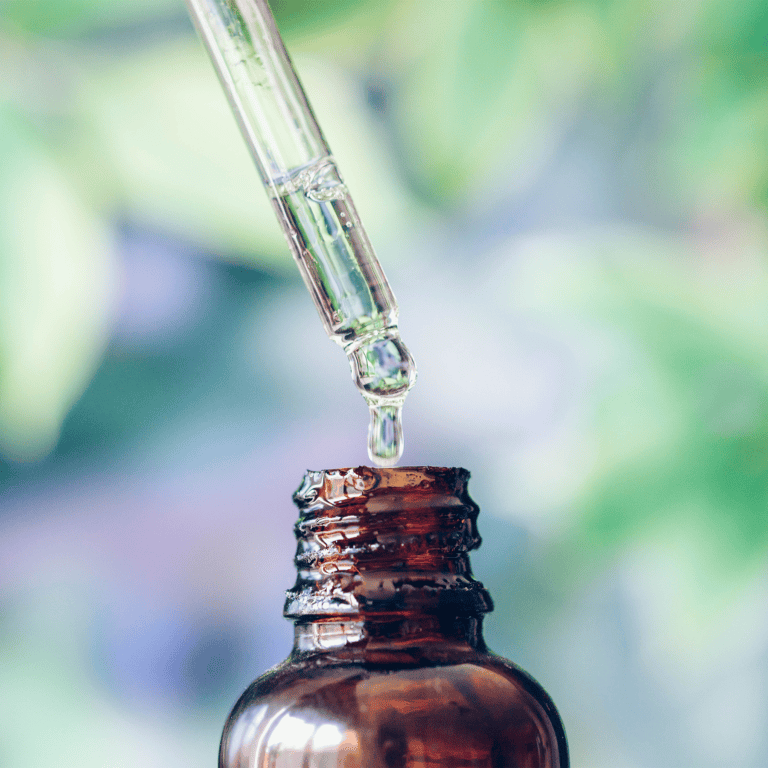
The carrier oil is mixed with the THC concentrate, often through gentle heating to ensure full incorporation. Once fully mixed, the THC oil is ready for use. It can be used directly in tinctures, added to edibles, or even prepared for vaping.
Safety Considerations in THC Oil Production
While making THC oil can be a rewarding and useful skill, safety should always be a priority. Working with flammable solvents like butane or ethanol demands careful attention. Always ensure you are working in a well-ventilated area away from open flames or sparks. In addition, using food-grade solvents is crucial to ensure the safety of the final product.
Temperature control is another key factor in making THC oil. Heating during the extraction and purging process must be done carefully to avoid degrading the cannabinoids and terpenes. Too much heat can result in the loss of flavor and potency, diminishing the oil’s overall quality.
If you’re using cannabis grown at home or purchased from a dispensary, make sure it’s pesticide-free and properly cured. Using contaminated or improperly processed cannabis can introduce harmful chemicals into your oil, affecting its safety and efficacy.
Potency and Usage
Once you’ve successfully made your THC oil, determining its potency is vital. Because homemade THC oil can vary in strength, starting with small doses is recommended, especially when using it in edibles or tinctures. Gradually increase the dosage to find your ideal level, ensuring a comfortable and enjoyable experience.
Proper storage is also essential to maintain the potency and freshness of your THC oil. Keep it in a cool, dark place, preferably in an airtight container, to protect it from light and heat, which can degrade the cannabinoids over time.
Final Thoughts
Making THC oil at home can be a fulfilling process for cannabis enthusiasts, offering a high level of control over the final product. Whether you prefer using it in edibles, vaping, or topicals, the ability to create your own THC oil allows you to tailor it to your preferences. By understanding the extraction process, choosing quality ingredients, and prioritizing safety, you can craft a potent and effective product that suits your needs.
As interest in cannabis products continues to grow, so does the demand for knowledge about DIY methods. Learning how to make THC oil not only enhances your cannabis experience but also empowers you with the skills to experiment and innovate in a rapidly evolving industry