
Is Delta 9 Legal In Indiana
The question, “Is Delta 9 legal in Indiana?” is a common one among cannabis enthusiasts and potential users in the Hoosier State. Delta 9-tetrahydrocannabinol (Delta 9 THC), the primary psychoactive compound in cannabis, has a complex legal status across the United States, and Indiana is no exception. To understand the legality of Delta 9 in Indiana, it is essential to explore the broader legal landscape of cannabis in the state.
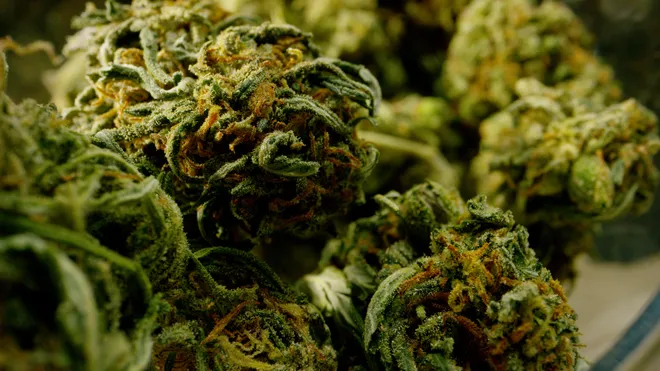
Indiana has long been known for its conservative stance on cannabis. Unlike some states that have embraced the legalization of marijuana for medical or recreational use, Indiana has maintained strict regulations against the use of cannabis products. Under Indiana law, marijuana is classified as a Schedule I controlled substance, which means it is considered to have a high potential for abuse and no accepted medical use. This classification includes Delta 9 THC derived from marijuana, making it illegal to possess, use, or distribute in the state.
However, the legality of Delta 9 THC is further complicated by the 2018 Farm Bill, a federal law that legalized the cultivation and sale of hemp and hemp-derived products. Hemp is defined as cannabis that contains less than 0.3% Delta 9 THC by dry weight. This distinction is crucial because it means that Delta 9 THC derived from hemp is legal at the federal level, provided it meets the concentration threshold.
So, is Delta 9 legal in Indiana if it comes from hemp? The answer is yes, but with caveats. Indiana follows federal guidelines regarding hemp and hemp-derived products. As long as the Delta 9 THC content is below the 0.3% threshold, hemp-derived Delta 9 products are legal to possess and sell in the state. This includes items such as CBD oils, tinctures, and edibles that contain trace amounts of Delta 9 THC.
However, the legality of Delta 9 THC in Indiana does not extend to products that exceed the 0.3% limit. Marijuana-derived Delta 9 THC, which typically has much higher concentrations, remains illegal under state law. Possession of marijuana or marijuana-derived Delta 9 THC can result in severe penalties, including fines and imprisonment. Indiana’s strict stance on marijuana reflects its broader approach to drug enforcement and public health policy.
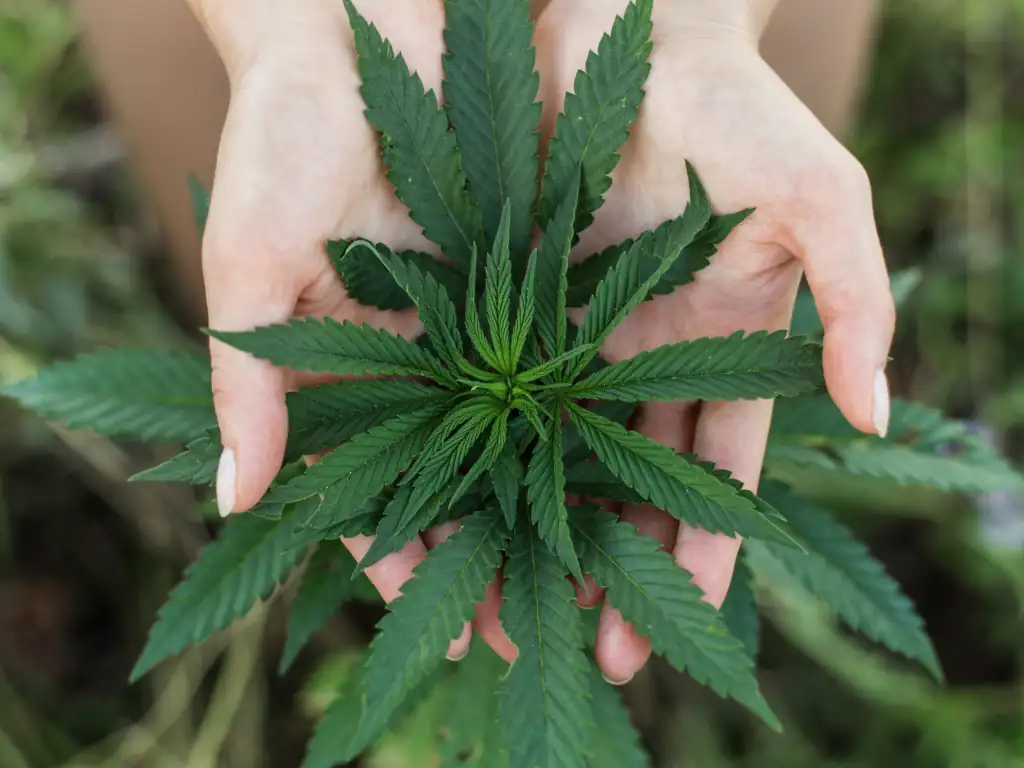
The legal nuances surrounding Delta 9 THC in Indiana have led to confusion and uncertainty for consumers. Many people are unsure about what types of products are legal and where they can be purchased. To navigate these complexities, it is essential to understand the sources of Delta 9 THC and the specific regulations that apply to each.
For example, products labeled as “hemp-derived” must clearly state their Delta 9 THC content and demonstrate compliance with the 0.3% limit. Consumers should look for third-party lab testing and certification to ensure that the products they are purchasing meet legal standards. Reputable retailers will provide this information and help consumers make informed choices.
Furthermore, it is important to note that Indiana has not yet legalized medical marijuana. While some states have established medical cannabis programs that allow patients with qualifying conditions to use marijuana for therapeutic purposes, Indiana continues to prohibit such use. Efforts to introduce medical marijuana legislation have faced significant resistance, and the future of such measures remains uncertain.
In conclusion, the question “Is Delta 9 legal in Indiana?” highlights the complex and evolving nature of cannabis law in the state. While hemp-derived Delta 9 THC products that meet federal guidelines are legal, marijuana-derived Delta 9 THC remains prohibited. Understanding the distinctions between hemp and marijuana, and the specific regulations that apply to each, is essential for consumers navigating Indiana’s cannabis landscape. As public opinion and legal frameworks continue to shift, staying informed about the latest developments will be crucial for those interested in Delta 9 THC and its potential benefits.