
Is Delta 9 Legal In Texas
In recent years, the conversation surrounding cannabis legalization in the United States has intensified, with each state charting its own course in the evolving landscape. Texas, known for its conservative stance on many issues, has been slower to embrace changes in cannabis laws. This has led to a flurry of questions among residents and cannabis enthusiasts alike: Is Delta 9 legal in Texas?
To understand the current legal status of Delta 9 THC in Texas, it’s important to delve into the state’s legislative history and the broader context of federal cannabis laws. Delta 9 THC, or delta-9-tetrahydrocannabinol, is the primary psychoactive compound in cannabis that is responsible for the “high” associated with marijuana use. At the federal level, Delta 9 THC is classified as a Schedule I controlled substance under the Controlled Substances Act, making it illegal for recreational use.
In Texas, the legal status of Delta 9 THC has been shaped by both state and federal laws. The state has a long history of strict cannabis regulations, reflecting its conservative political climate. However, there have been some notable changes in recent years, particularly concerning the distinction between marijuana and hemp.
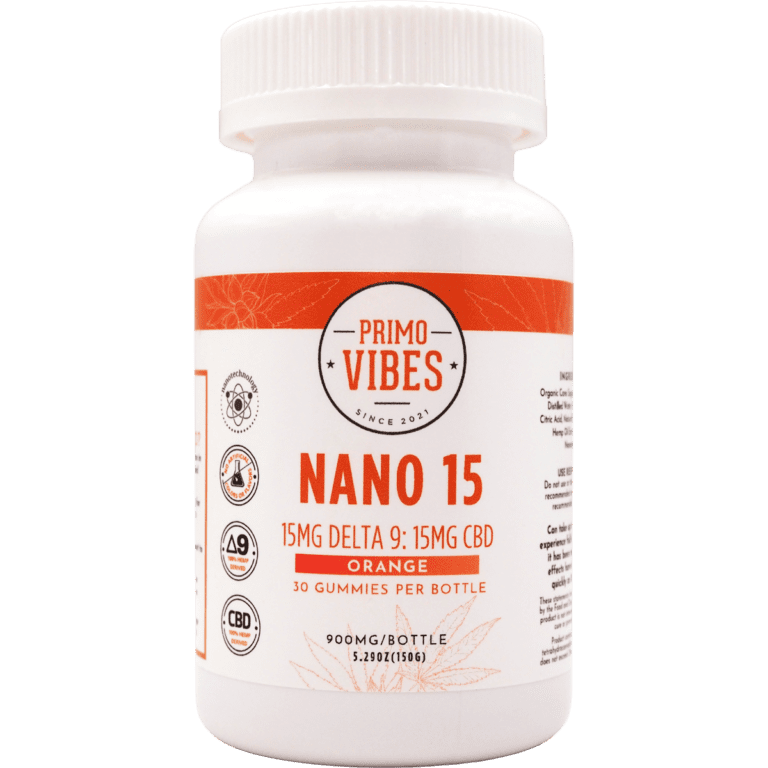
The pivotal moment came in 2019 when Texas passed House Bill 1325, which legalized the cultivation, processing, and sale of hemp and hemp-derived products. This legislation brought Texas into alignment with the 2018 Farm Bill at the federal level, which also legalized hemp. According to these laws, hemp is defined as cannabis with a Delta 9 THC concentration of not more than 0.3% on a dry weight basis. As a result, hemp-derived products containing less than 0.3% Delta 9 THC are legal in Texas.
However, the distinction between hemp and marijuana creates a complex legal landscape. While hemp-derived Delta 9 THC products are technically legal if they meet the concentration threshold, marijuana remains illegal for recreational use in Texas. This means that any cannabis product with a Delta 9 THC concentration above 0.3% is considered illegal and is subject to the state’s strict penalties for possession, sale, or distribution.

The situation becomes more intricate when considering the growing market for hemp-derived cannabinoids, such as Delta 8 THC, which is chemically similar to Delta 9 but has different legal implications. While some states have moved to explicitly ban Delta 8, Texas has not taken a definitive stance, adding another layer of complexity to the state’s cannabis laws.
For consumers and businesses, this legal ambiguity requires careful navigation. Retailers selling hemp-derived Delta 9 THC products must ensure their products comply with the 0.3% threshold to avoid legal repercussions. Likewise, consumers need to be vigilant about the sources of their products, as the unregulated nature of the market can lead to inconsistent and potentially illegal THC concentrations.
Despite the legal hurdles, there is growing momentum for cannabis reform in Texas. Advocacy groups and some lawmakers are pushing for broader legalization measures, citing economic benefits, criminal justice reform, and medical use as key motivators. However, significant opposition remains, and any changes to the legal status of Delta 9 THC are likely to face substantial debate and legislative scrutiny.
So, is Delta 9 legal in Texas? The answer is both yes and no. Hemp-derived Delta 9 THC products containing less than 0.3% THC are legal, but marijuana and any products exceeding this threshold are not. The current legal framework reflects Texas’s cautious approach to cannabis reform, balancing federal guidelines with state-specific regulations.
As the national conversation around cannabis continues to evolve, it will be crucial for residents and businesses in Texas to stay informed about changes in the law. Understanding the nuances of what is and isn’t legal can help navigate the complexities of the state’s cannabis landscape and ensure compliance with both state and federal regulations. The future of Delta 9 THC in Texas remains uncertain, but the ongoing dialogue suggests that further changes could be on the horizon.