
What Is Considered High THC
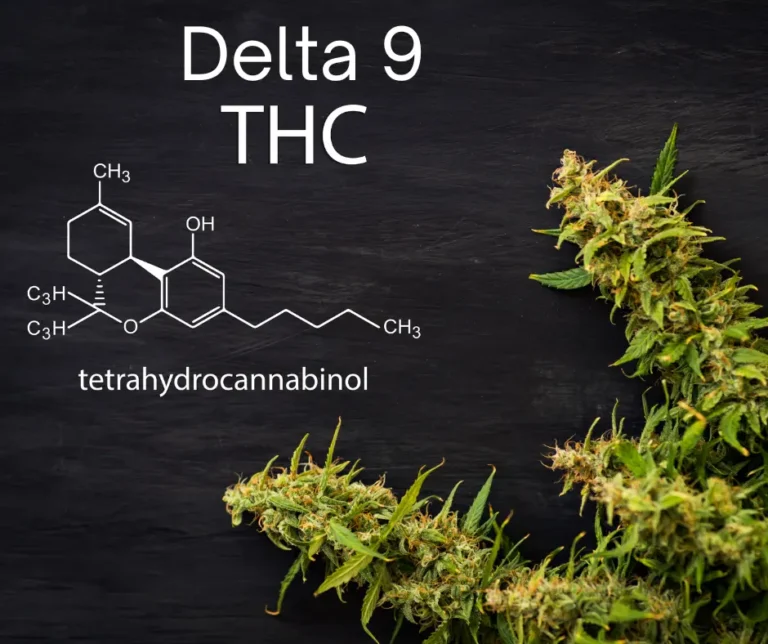
In the realm of cannabis, the term “high THC” frequently arises, often sparking curiosity among both seasoned users and newcomers alike. THC, or tetrahydrocannabinol, is the primary psychoactive compound in cannabis responsible for the euphoric effects that many users seek. Understanding what constitutes “high THC” involves examining the varying concentrations found in different cannabis strains and products, alongside individual tolerance levels and the overall context of consumption.
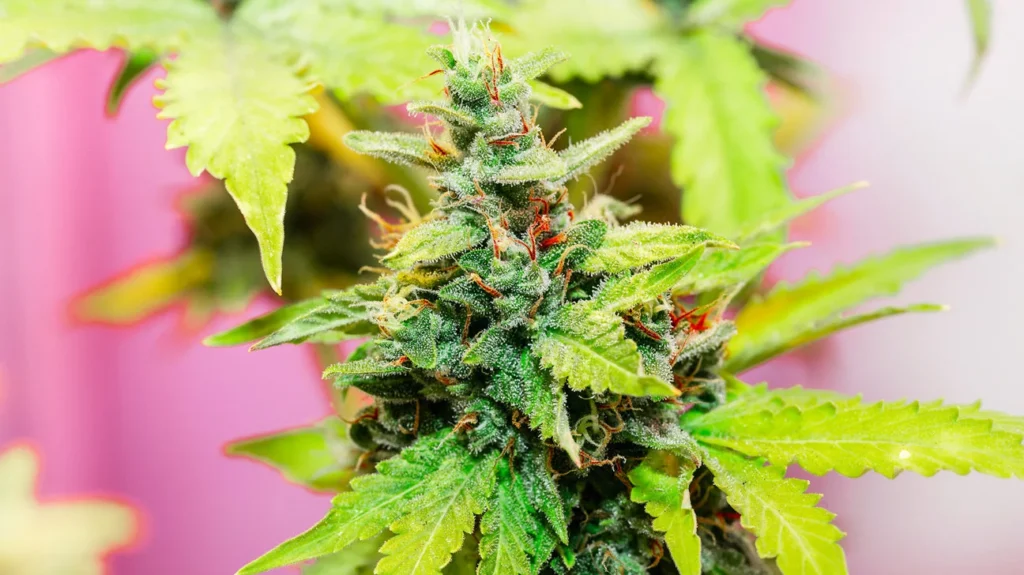
To begin, it’s important to recognize that THC content is typically measured as a percentage of the total weight of the cannabis product. For example, a cannabis strain with a THC content of 20% contains 200 milligrams of THC per gram of flower. In general, cannabis strains are categorized based on their THC levels. Strains with THC percentages below 10% are usually considered low THC, while those in the range of 10% to 20% are classified as moderate. Anything above 20% is typically regarded as high THC. Some strains, particularly those bred for potency, can even exceed 30% THC, pushing the boundaries of what many users perceive as “high.”
Defining high THC also extends beyond mere percentages. Individual tolerance plays a significant role in how THC is experienced. A person who regularly consumes cannabis may have a higher tolerance, meaning they require more THC to achieve the desired effects. Conversely, a novice user might find a strain with 15% THC to be overwhelmingly potent. This personal variability underscores the importance of considering not only the chemical composition of the strain but also the unique physiology and experience level of the user.
The method of consumption also influences the perception of THC potency. For example, edibles can produce a more intense and prolonged high due to the way THC is metabolized in the liver, converting it into 11-hydroxy-THC, a compound that may intensify effects. Conversely, smoking or vaping cannabis can lead to quicker onset but shorter duration of effects. Therefore, a product that may be labeled as high THC can have varying effects depending on how it is consumed.
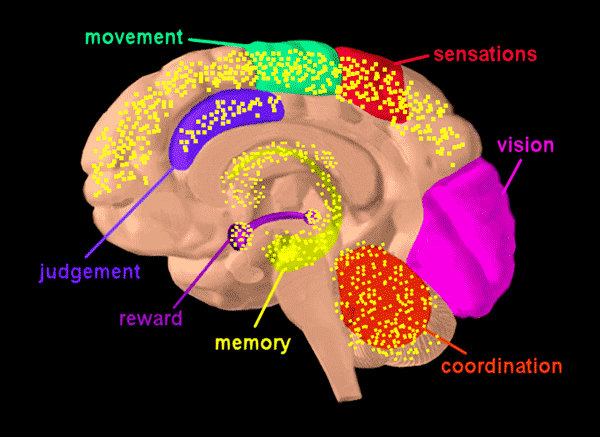
The effects of high THC are not solely about the psychoactive experience. High THC strains can have therapeutic applications, as users may seek relief from conditions like chronic pain, anxiety, or insomnia. This therapeutic potential is further influenced by the presence of other cannabinoids and terpenes, which can modulate the effects of THC. The entourage effect, a phenomenon where various cannabis compounds work synergistically, can enhance the therapeutic benefits of high THC strains while potentially mitigating some of the anxiety or paranoia that may accompany high doses.
In conclusion, high THC varies based on a range of factors, including strain composition, individual tolerance, and consumption method. While a general guideline categorizes anything above 20% THC as high, the subjective nature of cannabis consumption means that the definition can differ from person to person. As the cannabis industry continues to evolve, understanding these nuances is crucial for consumers seeking to navigate the diverse landscape of cannabis products, especially in a market increasingly focused on potency and its implications for both recreational and therapeutic use.