
What Is Live Resin Delta 9
Delta 9 distillate is one of the most refined and potent cannabis extracts available, sought after for its purity, versatility, and high THC concentration. The process of making Delta 9 distillate involves advanced extraction and distillation methods that separate Delta 9 THC from other cannabinoids, terpenes, and plant materials. Whether you’re a professional in the cannabis industry or an informed enthusiast, understanding the distillation process is essential for grasping the science behind this high-potency product.
Understanding the Basics of Delta 9 THC
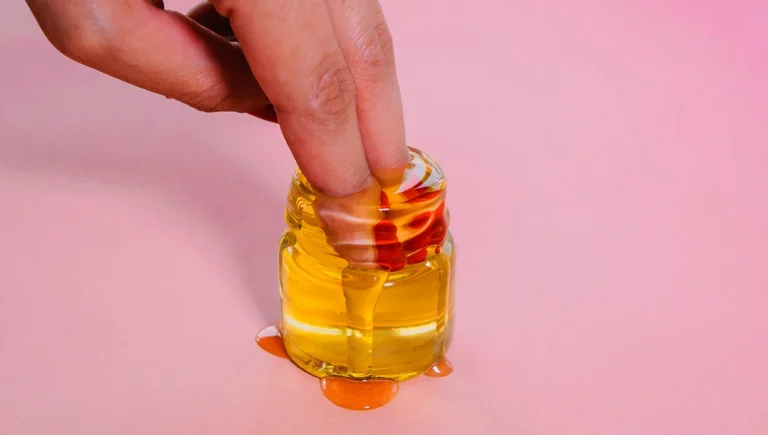
Delta 9 THC, or delta-9-tetrahydrocannabinol, is the primary psychoactive compound in cannabis. It’s responsible for the euphoric high commonly associated with marijuana consumption. When isolated and refined into a distillate, Delta 9 becomes a translucent, golden oil that can contain THC concentrations exceeding 90 percent. This high potency makes it ideal for a range of applications, including vape cartridges, tinctures, edibles, and dabbing products.
The Extraction Phase: Isolating Cannabinoids from Plant Matter
The first step in producing Delta 9 distillate is the extraction of cannabinoids from cannabis or hemp plant material. This is typically achieved using solvents like ethanol, butane, or supercritical CO₂. Each method has its advantages and produces a crude oil that contains a mixture of cannabinoids, terpenes, fats, waxes, and other compounds. At this stage, the oil still requires further refinement to isolate the desired Delta 9 THC compound.
Winterization and Decarboxylation: Prepping for Distillation
Once crude oil is extracted, it undergoes winterization, a process that removes plant fats, waxes, and lipids through a freezing and filtration process. This step ensures the final distillate is clean and smooth. Following winterization, the oil is decarboxylated to activate the THC. Naturally occurring THCA (tetrahydrocannabinolic acid) is non-psychoactive, but when exposed to heat, it converts to Delta 9 THC. This decarboxylation step is critical to producing a distillate with psychoactive properties.
Short Path Distillation: Purifying Delta 9 THC
The core of the process lies in short path or wiped film distillation. These methods rely on precise temperature and vacuum conditions to separate Delta 9 THC from other cannabinoids and impurities. Delta 9 THC has a unique boiling point, and by heating the oil under vacuum pressure, the compound can be isolated without degrading its potency or purity. The result is a clear, viscous distillate that is free of unwanted byproducts.
Quality Control and Compliance
Producing Delta 9 distillate isn’t just about science—it’s also about safety and compliance. Each batch must undergo laboratory testing to verify potency, purity, and the absence of harmful contaminants such as pesticides, residual solvents, or heavy metals. Producers must adhere to local and federal regulations, ensuring their products meet legal thresholds for THC content and manufacturing practices.
Applications of Delta 9 Distillate
Once completed, Delta 9 distillate becomes a highly versatile product. It can be infused into edibles, vaporized in cartridges, added to topicals, or consumed directly in measured doses. Its lack of flavor and odor also makes it ideal for formulation, offering a clean canvas for adding desired terpenes or blending with other cannabinoids.
Precision Meets Potency
The creation of Delta 9 distillate is a complex but rewarding process that combines extraction technology with chemical expertise. Each step—from initial extraction to final purification—requires precision to ensure a high-quality, compliant product. As the cannabis industry continues to evolve, Delta 9 distillate remains a cornerstone product, valued for its potency, purity, and adaptability in both recreational and therapeutic markets.