
THC-A Vs Delta 9
The world of cannabis is vast and complex, filled with numerous compounds that contribute to its diverse effects and benefits. Among these, THC-A and Delta 9 THC are two cannabinoids that stand out due to their unique properties and effects. In this blog, we will explore the nuances of THC-A vs Delta 9, examining their differences, similarities, and their respective roles in the cannabis experience.
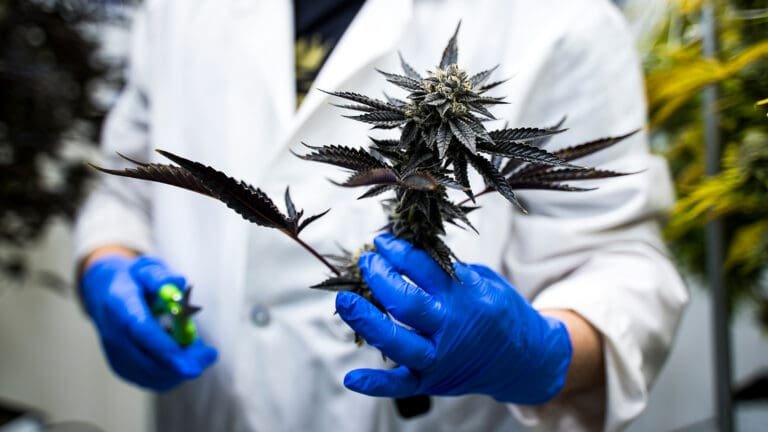
THC-A, or tetrahydrocannabinolic acid, is the non-psychoactive precursor to THC, the compound primarily responsible for the psychoactive effects of cannabis. In its raw form, cannabis contains THC-A rather than Delta 9 THC. This means that until cannabis is decarboxylated—usually through heat—THC-A remains in its acid form. The process of decarboxylation, which involves heating the cannabis, converts THC-A into Delta 9 THC, thus activating its psychoactive properties.
Delta 9 THC, or delta-9-tetrahydrocannabinol, is the compound most commonly associated with the “high” produced by cannabis. It binds to the CB1 receptors in the brain and central nervous system, leading to the euphoria, relaxation, and other effects that users typically seek. Delta 9 THC is well-studied and is often the focus of both recreational and medicinal cannabis use.
One of the primary distinctions in the debate of THC-A vs Delta 9 is their psychoactivity. While Delta 9 THC is known for its psychoactive effects, THC-A does not produce a high. This makes THC-A particularly interesting for those who wish to experience the therapeutic benefits of cannabis without the mind-altering effects. THC-A is believed to have anti-inflammatory, neuroprotective, and antiemetic properties, among other potential health benefits.

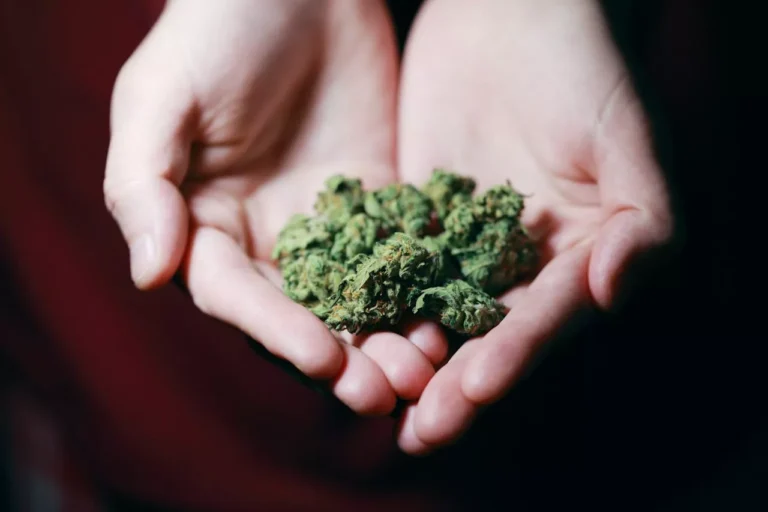
When discussing THC-A flower vs Delta 9, the differences in consumption and effects become evident. THC-A flower refers to raw, unprocessed cannabis that is rich in THC-A and low in Delta 9 THC. Consuming THC-A flower in its raw form, such as through juicing or adding it to smoothies, does not produce psychoactive effects. In contrast, smoking or vaporizing THC-A flower converts THC-A into Delta 9 THC, delivering the familiar high associated with cannabis use.
The therapeutic potential of THC-A versus Delta 9 THC also varies. While both cannabinoids have shown promise in treating a range of conditions, their applications may differ. For instance, patients seeking the anti-inflammatory benefits of cannabis without the psychoactive effects might prefer THC-A. On the other hand, Delta 9 THC’s analgesic and anti-anxiety properties make it a suitable option for those dealing with chronic pain or anxiety disorders.
Understanding what is THC-A vs Delta 9 is crucial for making informed decisions about cannabis use. While Delta 9 THC is well-known and widely used, THC-A offers a different set of benefits that might be more suitable for certain individuals. For example, athletes or individuals looking to maintain cognitive clarity might opt for THC-A to benefit from its potential anti-inflammatory properties without the psychoactive effects of Delta 9 THC.
The legal landscape surrounding THC-A and Delta 9 THC can also influence consumer choices. In many jurisdictions, the legality of cannabis is primarily focused on Delta 9 THC content. Since THC-A is non-psychoactive, it may be subject to different regulations, making it a potentially more accessible option for those in areas with strict cannabis laws. However, it’s important to note that once THC-A is decarboxylated and converted into Delta 9 THC, it falls under the same legal restrictions.
In conclusion, the comparison of THC-A vs Delta 9 highlights the diversity within the cannabis plant and underscores the importance of understanding these differences. While Delta 9 THC is celebrated for its psychoactive effects and therapeutic potential, THC-A offers a non-psychoactive alternative with its own unique benefits. Whether you are exploring cannabis for recreational or medicinal purposes, knowing what is THC-A delta 9 and how these compounds differ can help you tailor your cannabis experience to your specific needs and preferences. As the cannabis industry continues to evolve, staying informed about these cannabinoids will ensure that you make the best choices for your health and wellness.