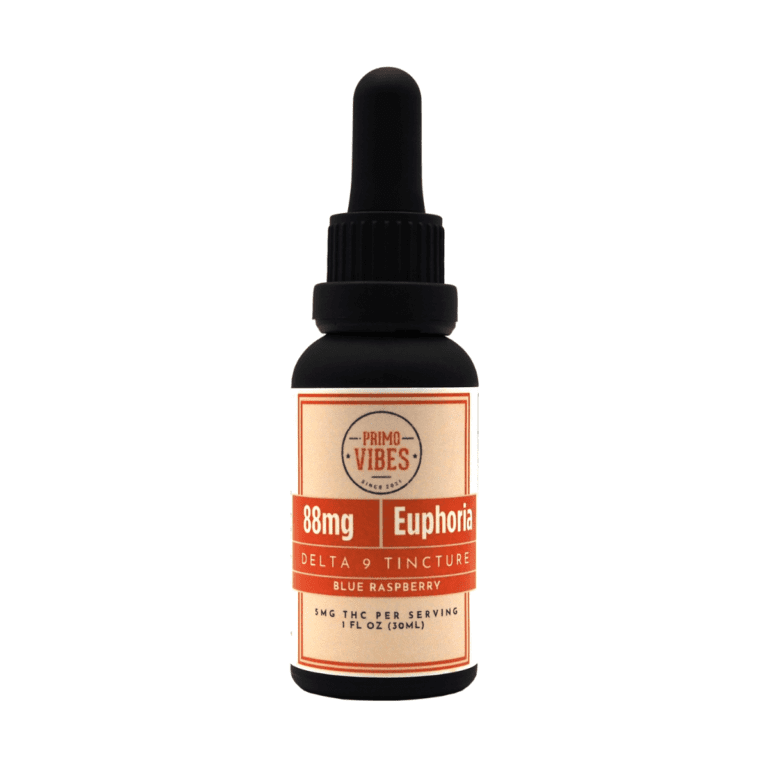

Is Delta 9 Bad For Your Brain At All
Delta 9 THC, the primary psychoactive compound in cannabis, is widely consumed for its ability to produce feelings of euphoria, relaxation, and altered perception. As cannabis use continues to rise, especially in states where it’s legal for medicinal or recreational purposes, questions about its safety have become increasingly common. One of the most debated concerns is whether Delta 9 is bad for your brain. While research continues to evolve, current studies offer a clearer picture of how Delta 9 THC interacts with the brain and what the potential risks may be.
How Delta 9 THC Affects the Brain
Delta 9 THC interacts with the endocannabinoid system, a network of receptors throughout the brain and body that plays a key role in regulating mood, memory, appetite, and pain perception. Specifically, Delta 9 binds to CB1 receptors in the brain, which is what leads to its psychoactive effects. This interaction can influence various brain regions, particularly those involved in memory formation, decision-making, and emotional regulation. While these effects may be temporary, repeated or high-dose use can have longer-lasting implications.
Short-Term Cognitive Effects of Delta 9
In the short term, Delta 9 THC can cause impairments in memory, attention span, and coordination. Users often report difficulty concentrating or recalling information while under the influence. These effects are generally reversible once the compound is metabolized and leaves the system. However, the intensity and duration of these symptoms can vary depending on the individual’s tolerance, the amount consumed, and the method of consumption.
Long-Term Brain Health and Delta 9 Use

The long-term effects of Delta 9 THC on the brain are still being studied, but there is growing evidence suggesting that chronic use—especially starting at a young age—can impact brain development and cognitive performance. Adolescents are particularly vulnerable because their brains are still developing. Studies have shown that regular Delta 9 use in teens and young adults may be associated with reduced cognitive function, including difficulties with memory retention, attention, and decision-making skills. There is also concern about the potential for structural changes in areas of the brain related to learning and emotional regulation.
Mental Health and Delta 9: What the Research Suggests
Another area of concern is the link between Delta 9 THC and mental health conditions. Some studies suggest that high levels of Delta 9 use may increase the risk of anxiety, depression, or even psychosis in individuals with a predisposition to these conditions. While not everyone will experience these effects, it’s important to be mindful of personal mental health history when considering Delta 9 products. Individuals with a family history of schizophrenia or mood disorders may be at higher risk for negative psychological effects from cannabis use.
Balancing Benefits and Risks
Despite these concerns, Delta 9 THC is not inherently harmful to the brain for all users. Many people use it responsibly for its therapeutic effects, such as relief from chronic pain, insomnia, or anxiety. When used in moderation and under proper guidance, Delta 9 can be a beneficial part of a wellness routine. The key lies in understanding individual tolerance, using high-quality products, and staying informed about potential side effects.
Is Delta 9 Bad For Your Brain?
The answer depends on several factors including age, frequency of use, mental health history, and dosage. While occasional use may not pose significant risks for most adults, chronic or heavy use—particularly during adolescence—can have adverse effects on cognitive function and mental well-being. Ongoing research will continue to shape our understanding of Delta 9 THC and brain health. In the meantime, users should take a thoughtful, informed approach to cannabis use and consult healthcare professionals when needed to make safe and responsible decisions.