
Can Delta 9 Cause Cancer
The relationship between cannabis use and cancer is a topic of ongoing scientific investigation, raising important questions about the safety and health implications of its consumption. Specifically, concerns about whether delta-9-tetrahydrocannabinol (Delta 9 THC), the primary psychoactive component in cannabis, could contribute to the development of cancer have garnered significant attention. In this blog, we delve into the complex interplay between Delta 9 and cancer, examining current research and understanding the potential risks.
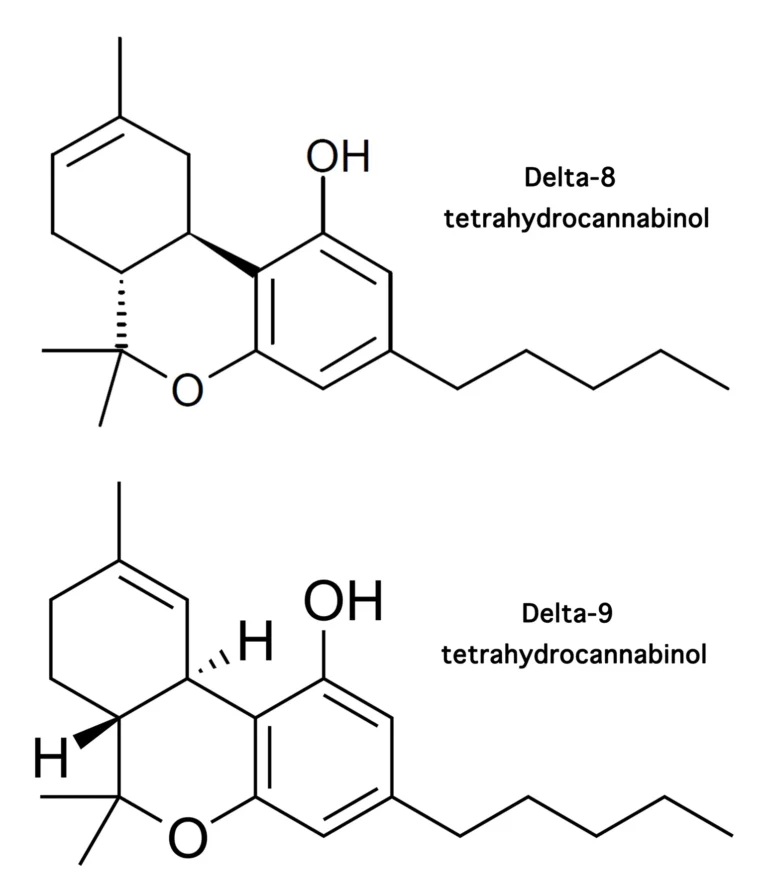
Delta 9 THC is well-known for its psychoactive effects, which are achieved by binding to cannabinoid receptors in the brain and central nervous system. These interactions produce the euphoric high that recreational users seek, and they have also been explored for potential therapeutic benefits, such as pain relief, anti-nausea effects, and appetite stimulation. However, the question remains: can Delta 9 cause cancer?
To address this question, it is essential to look at the available scientific literature. Research on the relationship between Delta 9 THC and cancer has produced mixed results, highlighting the complexity of the issue. Some studies suggest that Delta 9 and other cannabinoids might have anti-cancer properties. For example, preclinical research has shown that cannabinoids can induce apoptosis (programmed cell death) in certain cancer cells, inhibit tumor growth, and prevent the spread of cancer cells.
However, these promising findings are predominantly based on laboratory and animal studies. The translation of these results to humans is not straightforward, and more rigorous clinical trials are needed to determine whether Delta 9 THC can be effectively used in cancer treatment. Until then, the notion that Delta 9 might have anti-cancer properties remains speculative.
On the other hand, there are legitimate concerns about the potential carcinogenic effects of Delta 9 THC, especially when consumed through smoking. The act of smoking cannabis, similar to smoking tobacco, exposes users to harmful combustion byproducts, including tar and other carcinogenic substances. These byproducts have been linked to respiratory issues and an increased risk of developing cancers of the lung and respiratory tract.
Moreover, some studies have suggested a correlation between heavy, long-term cannabis use and an increased risk of testicular cancer. Although these findings are not conclusive and further research is required to establish a direct causal link, they underscore the importance of understanding the potential risks associated with chronic Delta 9 THC consumption.
It is also crucial to consider the broader context of cannabis use. Many users combine cannabis with tobacco, which significantly increases the exposure to carcinogens and compounds the risk of developing cancer. This practice further complicates efforts to isolate the specific effects of Delta 9 THC from those of tobacco and other substances.
Given these complexities, it is vital for consumers to make informed decisions about their cannabis use. While the potential therapeutic benefits of Delta 9 THC cannot be ignored, it is equally important to be aware of the possible risks, especially when considering different methods of consumption. For those concerned about the potential carcinogenic effects of smoking, alternative methods such as vaporizing, edibles, or tinctures might offer a safer way to consume Delta 9 THC without exposing oneself to harmful combustion byproducts.
In conclusion, the question of whether Delta 9 can cause cancer does not have a simple answer. While some evidence points to potential anti-cancer properties of Delta 9 THC, other studies highlight the risks associated with its consumption, particularly through smoking. As with many substances, the effects of Delta 9 THC are complex and influenced by a variety of factors, including the method of consumption, frequency of use, and individual health conditions.
Ongoing research is essential to deepen our understanding of the relationship between Delta 9 THC and cancer. In the meantime, individuals should approach cannabis use with caution, staying informed about the potential risks and benefits. By making educated choices and considering safer consumption methods, users can better navigate the complex landscape of cannabis and its health implications.