
How Long Does It Take For Delta 9 Gummies To Kick In
THC-A, or tetrahydrocannabinolic acid, is the non-psychoactive precursor to Delta 9 THC, the compound responsible for the “high” associated with cannabis. While THC-A doesn’t produce intoxicating effects on its own, it undergoes a transformation when exposed to heat. This process, known as decarboxylation, is what turns THC-A into Delta 9 THC when cannabis is smoked, vaped, or otherwise heated.
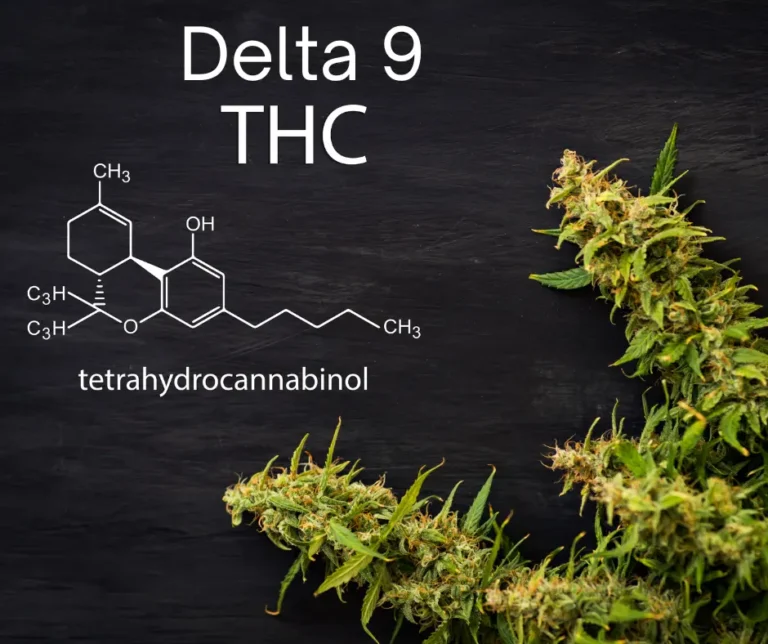
The reason THC-A doesn’t have psychoactive properties is due to its molecular structure. In its raw form, it contains an extra carboxyl group (COOH), which prevents it from binding to the brain’s CB1 receptors, the same receptors that Delta 9 THC activates to produce psychoactive effects. When cannabis is heated, however, the heat removes this carboxyl group in a process called decarboxylation, converting THC-A into Delta 9 THC. As a result, the compound becomes psychoactive, allowing it to interact with the brain’s receptors and produce the effects cannabis users seek.
The process of converting THC-A into Delta 9 THC begins at relatively low temperatures. When you smoke cannabis, the heat from the flame or vaporizer decarboxylates the THC-A almost instantly, transforming it into Delta 9 THC just before inhalation. This rapid conversion explains why smoked or vaporized cannabis produces immediate effects, as the newly formed Delta 9 THC is absorbed into the bloodstream through the lungs and transported to the brain.
For those wondering if raw cannabis or edibles made with raw plant material will get them high, the answer is typically no. Consuming raw cannabis or products made without heat exposure won’t produce significant psychoactive effects because the THC-A has not yet been converted into Delta 9 THC.
Some enthusiasts use raw cannabis for its potential health benefits without the intoxicating effects, as THC-A is thought to have its own therapeutic properties, including anti-inflammatory and neuroprotective effects. However, these effects are different from the high that is commonly associated with cannabis use.
Understanding the relationship between THC-A and Delta 9 THC is key for those exploring different methods of cannabis consumption. Whether through smoking, vaping, or cooking, the process of decarboxylation is crucial to unlocking the psychoactive potential of cannabis. This transformation allows users to experience the full effects of THC, and it’s why heating cannabis is essential for those looking to benefit from its mind-altering properties.
For anyone curious about using cannabis in its raw form, it’s important to recognize that it won’t have the same effects as when it’s smoked or heated. The conversion from THC-A to Delta 9 THC is what makes cannabis a psychoactive substance, so consuming it raw, while offering different potential benefits, won’t produce a traditional high. This also explains why products like edibles require specific preparation methods involving heat to ensure they contain active Delta 9 THC, delivering the desired psychoactive effects.
In summary, THC-A turns into Delta 9 THC when cannabis is exposed to heat, making it a psychoactive substance. The decarboxylation process is what transforms the raw, non-intoxicating THC-A into the form of THC responsible for the high experienced when smoking or vaping cannabis. Understanding this conversion is essential for both recreational users seeking its effects and those interested in the various health properties of THC-A in its raw form.