
HHC Vs Delta 9
In the ever-evolving world of cannabis, enthusiasts and researchers alike are constantly exploring the various compounds that the plant has to offer. Two cannabinoids that have recently garnered significant attention are hexahydrocannabinol (HHC) and delta-9-tetrahydrocannabinol (Delta-9 THC). This blog delves into the nuances of HHC vs Delta 9, comparing their effects, legal status, and potential benefits.
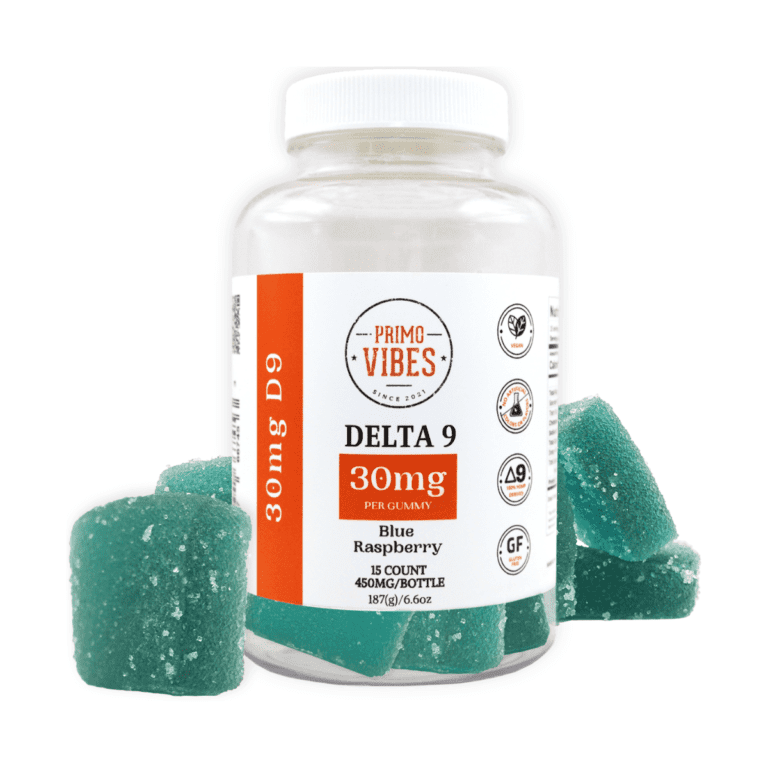
Delta 9 THC, often referred to simply as Delta 9, is the primary psychoactive component found in cannabis. It’s the compound most commonly associated with the euphoric high that users experience when consuming marijuana. Delta 9 interacts with the body’s endocannabinoid system by binding to CB1 receptors in the brain and nervous system, resulting in its characteristic psychoactive effects.
Hexahydrocannabinol, or HHC, is a cannabinoid that has been gaining popularity as a potential alternative to Delta 9. Structurally similar to Delta 9, HHC is created through the hydrogenation of THC, a process that adds hydrogen atoms to the molecule, potentially altering its effects and stability. This structural modification raises the question: what is HHC vs Delta 9 in terms of impact and potency?
When comparing HHC vs Delta 9 vs Delta 8, it’s crucial to understand the differences in their psychoactive properties. Delta 8 THC, another popular cannabinoid, is known for providing a milder high compared to Delta 9. Users often describe Delta 8’s effects as less intense and more relaxing.
In the comparison of delta 8 vs delta 9 vs HHC, HHC is believed to offer a unique middle ground. While anecdotal evidence suggests that HHC might be less potent than Delta 9, it could potentially offer a longer-lasting experience, making it an intriguing option for users.
The legal status of Delta 9 vs HHC is another important factor to consider. Delta 9 THC remains federally illegal in many countries, including the United States, although state laws can vary widely. In contrast, HHC occupies a legal gray area. Since it is not explicitly classified as a controlled substance, products containing HHC are often marketed as legal alternatives to Delta 9. However, this ambiguous legal status means that the regulation of HHC products can be inconsistent, raising concerns about product quality and safety.
For consumers, the comparison of HHC gummies vs Delta 9 edibles often boils down to personal preference and desired effects. HHC gummies might appeal to those seeking a potentially milder and more prolonged experience, while Delta 9 edibles are known for their strong and immediate psychoactive effects. But what is stronger, HHC or Delta 9? While Delta 9 is generally considered more potent, individual experiences can vary, and factors such as tolerance and metabolism play significant roles.
In the discussion of HXC vs Delta 9, it is essential to recognize that HXC (another name for HHC) and Delta 9 share many similarities in their interactions with the endocannabinoid system. However, the differences in their molecular structures could lead to varying effects and durations of action. Understanding what is HHC Delta 9 and how it differs from traditional THC can help consumers make informed choices about which cannabinoid might better suit their needs.
The potential therapeutic benefits of delta 9 with HHC are still being explored. While both cannabinoids have shown promise in areas such as pain relief, anxiety reduction, and appetite stimulation, more research is needed to fully understand their efficacy and safety profiles. As interest in alternative cannabinoids continues to grow, it is crucial for scientific research to keep pace, providing consumers with reliable information and ensuring the safe use of these compounds.
In conclusion, the debate of delta 9 or HHC is far from settled. Both cannabinoids offer unique benefits and challenges, and their effects can vary widely among individuals. As the cannabis industry continues to evolve, staying informed about the latest research and regulatory developments is essential. Whether you’re considering Delta 9 HHC products or exploring the broader spectrum of cannabinoids, understanding the distinctions between these compounds will help you navigate the ever-expanding world of cannabis with confidence.