
HHC Vs THC
In the ever-evolving landscape of cannabis science, the spotlight often shines on tetrahydrocannabinol (THC), the well-known compound responsible for the psychoactive effects of marijuana. However, a new cannabinoid has recently emerged in the market, intriguing both enthusiasts and researchers alike: hexahydrocannabinol (HHC). This blog delves into the nuanced world of HHC vs THC, exploring their differences, similarities, and potential implications.
THC, specifically delta-9-tetrahydrocannabinol (Delta 9 THC), is the primary psychoactive component of cannabis. It’s the compound most associated with the euphoric high that users experience. THC works by interacting with the body’s endocannabinoid system, particularly the CB1 receptors in the brain, leading to altered perception, mood changes, and other characteristic effects. THC’s influence extends beyond recreational use, as it has been researched for its potential therapeutic benefits, including pain relief, appetite stimulation, and anxiety reduction.
On the other hand, HHC is a relatively new player in the cannabinoid scene. HHC is a hydrogenated form of THC, meaning it has additional hydrogen atoms attached to its molecular structure. This modification makes HHC more stable than THC, which can degrade into CBN (cannabinol) over time or when exposed to heat and light. The question at the forefront of many minds is: how does HHC compare to THC in terms of effects and potency?
When comparing HHC vs THC, one of the primary considerations is their psychoactive impact. Users of HHC report that its effects are similar to those of THC, including euphoria, altered sensory perception, and relaxation. However, there is a significant difference in potency. Anecdotal evidence suggests that HHC might be less potent than THC, offering a milder high that is still noticeable but less intense. This difference can be particularly appealing for those who seek the benefits of THC without the overwhelming psychoactive experience.
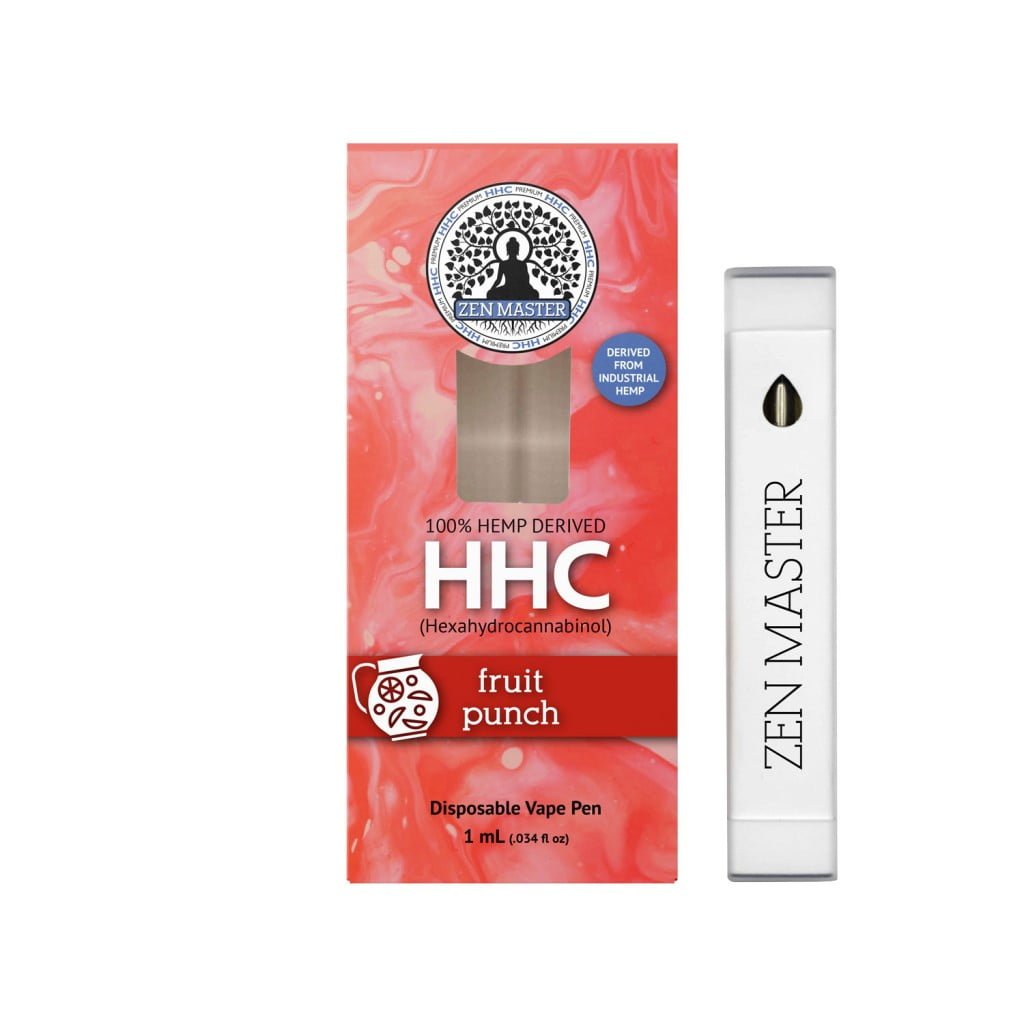
Another aspect of the HHC vs THC debate involves their legal statuses. THC, particularly Delta 9 THC, remains federally illegal in many parts of the world, including the United States, despite various states legalizing it for medical or recreational use. This legal landscape creates a complex environment for consumers and businesses. HHC, however, occupies a more ambiguous legal position. Since it is not explicitly listed as a controlled substance, HHC products have emerged in markets where THC might still be restricted. This legal ambiguity can lead to both opportunities and challenges in terms of regulation, quality control, and consumer safety.
In terms of therapeutic potential, both HHC and THC show promise, but the body of research on HHC is far less developed than that on THC. THC has been extensively studied and is used in several FDA-approved medications for conditions like nausea and vomiting associated with chemotherapy, as well as for increasing appetite in patients with AIDS. HHC, while chemically similar to THC, lacks the extensive clinical research that could confirm its efficacy and safety for medical use. This gap highlights the need for more scientific exploration to fully understand the potential benefits and risks of HHC.
The stability of HHC compared to THC is another interesting point of comparison. Due to its hydrogenated structure, HHC is more resistant to oxidation and degradation than THC. This increased stability could make HHC an attractive option for products that need a longer shelf life, such as edibles and tinctures. This stability ensures that the cannabinoid content remains consistent over time, providing consumers with more reliable Products.
Despite their differences, both HHC and THC share the fundamental ability to interact with the endocannabinoid system, influencing various physiological and psychological processes. The nuanced effects of these interactions depend on numerous factors, including the specific cannabinoid profile of the product, individual user tolerance, and the method of consumption.
In conclusion, the comparison of HHC vs THC reveals both exciting possibilities and important considerations. While HHC offers a potentially milder, more stable alternative to THC, it also comes with the challenges of less regulatory clarity and limited scientific research. As the cannabis industry continues to evolve, staying informed about the latest developments and understanding the distinctive characteristics of these cannabinoids will be crucial for consumers, researchers, and policymakers alike. Whether seeking recreational enjoyment or therapeutic relief, the dynamic interplay between HHC and THC represents a fascinating frontier in the ongoing exploration of cannabis science.