
Does THC-A Turn Into Delta 9 When Smoked
THC-A (tetrahydrocannabinolic acid) is one of the most common cannabinoids found in raw cannabis, but its effects are different from the more well-known THC, specifically Delta 9 THC. Many people are curious about whether THC-A transforms into Delta 9 THC when exposed to heat, such as during smoking or vaporizing. This is an important question for anyone interested in how cannabis works, particularly its psychoactive effects.
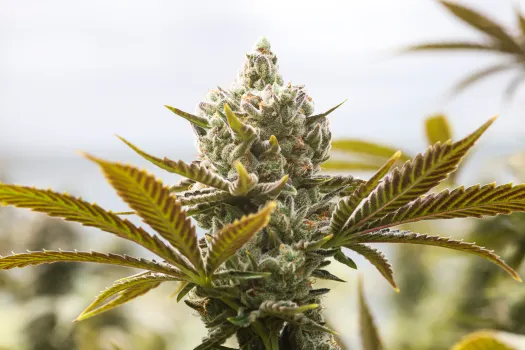
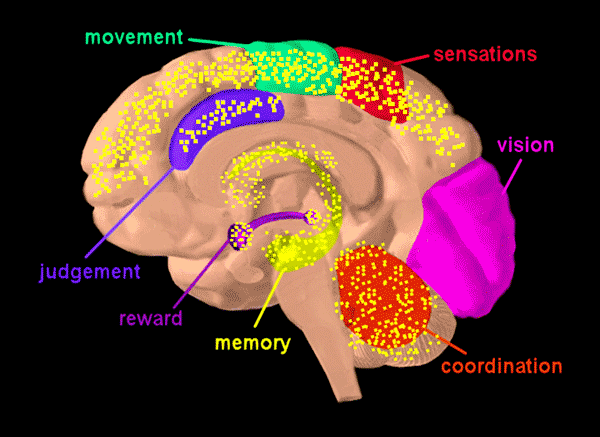
When cannabis is in its raw form, it contains little to no Delta 9 THC. Instead, it is rich in THC-A, which is the non-psychoactive precursor to THC. Consuming raw cannabis will not produce the “high” associated with THC, as THC-A does not have the ability to bind to the receptors in the brain that cause the psychoactive effects. However, when exposed to heat, a process called decarboxylation occurs. This is the key transformation that changes THC-A into Delta 9 THC.
Decarboxylation happens when cannabis is heated, either through smoking, vaporizing, or cooking. The heat causes a chemical reaction that removes a carboxyl group from THC-A, converting it into Delta 9 THC. This process is critical because it is Delta 9 THC that produces the psychoactive effects, giving users the well-known euphoria and altered perception that come from smoking or ingesting cannabis.
So, to answer the question: yes, THC-A does turn into Delta 9 THC when smoked. As the cannabis is heated by a lighter or vaporizer, the THC-A quickly decarboxylates and becomes Delta 9 THC, which can then be inhaled and absorbed by the body. This is why smoking raw cannabis flowers, which are rich in THC-A, leads to the familiar effects of Delta 9 THC.
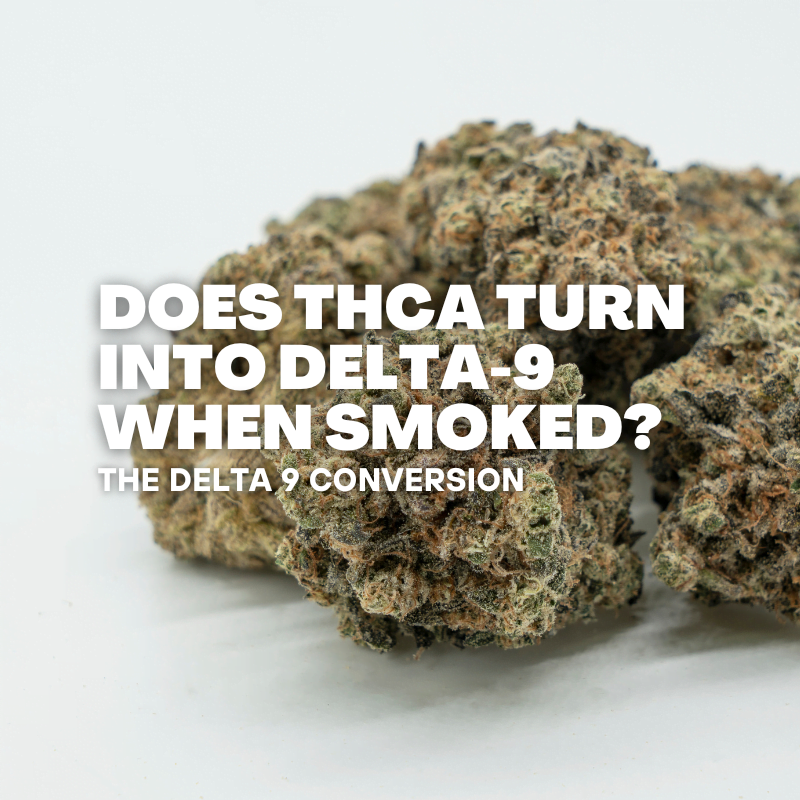
It’s important to note that the efficiency of this conversion can depend on the method of consumption. Smoking is one of the fastest ways to decarboxylate THC-A and absorb Delta 9 THC. When cannabis is burned, the heat from the flame rapidly transforms THC-A into THC, and the Delta 9 THC is then inhaled into the lungs, where it enters the bloodstream and takes effect almost immediately. Vaporizing cannabis also decarboxylates THC-A, but at a lower temperature, which may preserve some of the plant’s other beneficial compounds while still providing the desired psychoactive effects.
In contrast, if cannabis is consumed without heating—such as eating raw cannabis leaves or buds—the THC-A remains in its non-psychoactive form, and no significant decarboxylation occurs. This means that individuals consuming raw cannabis would not experience the typical effects of Delta 9 THC. However, THC-A itself has shown potential health benefits, such as anti-inflammatory and neuroprotective properties, though further research is needed to fully understand its effects.
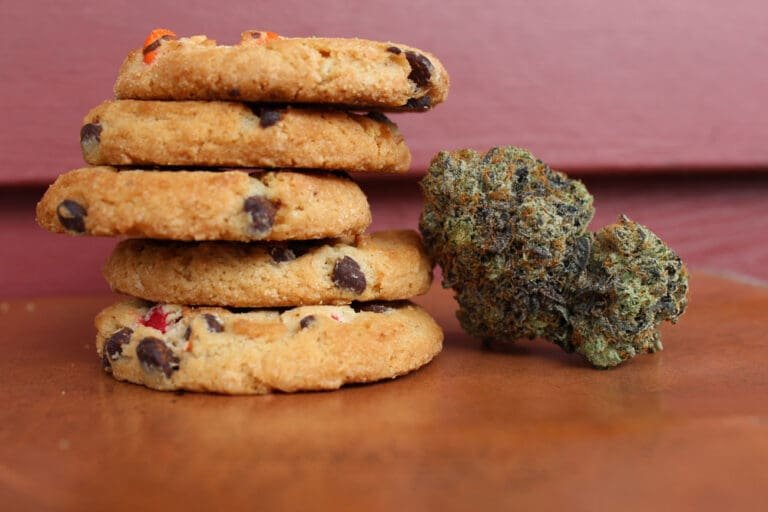
For those looking to use cannabis for its psychoactive properties, understanding the transformation from THC-A to Delta 9 THC is essential. Whether smoking, vaporizing, or using cannabis in edibles, heat plays a crucial role in unlocking the effects that many users seek. As THC-A turns into Delta 9 THC when exposed to heat, this chemical process highlights the importance of proper cannabis preparation for achieving the desired effects.