
What Is The Difference Between THC-A And Delta 9
As cannabis consumption becomes more mainstream, people are becoming increasingly curious about the various compounds within the plant. Among the cannabinoids that receive attention, THC-A (tetrahydrocannabinolic acid) and Delta 9 THC (tetrahydrocannabinol) stand out. Although they are related, these two cannabinoids have distinct properties, uses, and effects that make them unique. Understanding the differences between THC-A and Delta 9 THC can help consumers make informed decisions about their cannabis use, whether for recreational or medicinal purposes.
Chemical Structure and Composition
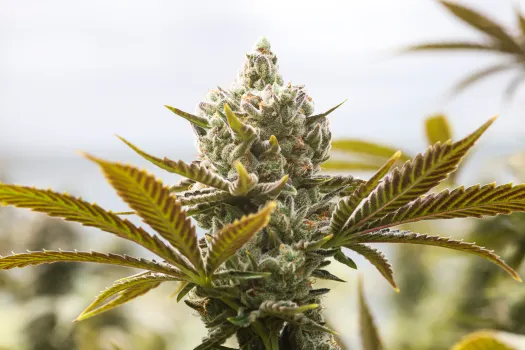
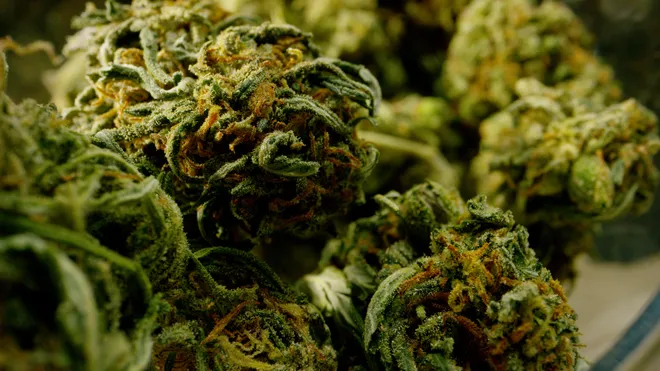
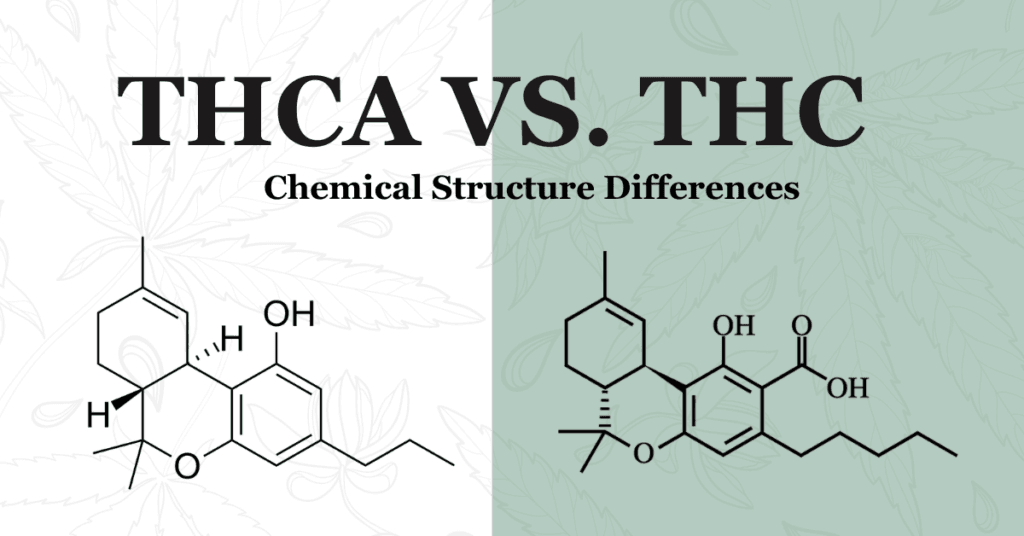
THC-A is the precursor to Delta 9 THC. In its raw form, cannabis contains high amounts of THC-A, which is non-psychoactive. THC-A only converts into Delta 9 THC when it undergoes decarboxylation, a process triggered by heat. This decarboxylation occurs during smoking, vaping, or cooking, where the heat removes the acid group from THC-A, transforming it into the psychoactive Delta 9 THC. Without this heat, THC-A remains in its original form and does not produce the “high” associated with Delta 9 THC.
From a chemical perspective, the only difference between the two compounds is that THC-A contains a carboxyl group (-COOH) that Delta 9 THC does not. This minor structural difference is what accounts for the distinct effects they have on the human body.
Psychoactive Effects
One of the most significant differences between THC-A and Delta 9 THC is their psychoactive properties. THC-A, in its raw form, does not have intoxicating effects. This means that consuming raw cannabis, whether by juicing or adding it to food without heating, will not result in the typical high that many associate with cannabis use.
As a result, THC-A is often sought after by individuals who want the potential health benefits of cannabis without the mind-altering effects.
Delta 9 THC, on the other hand, is well-known for its psychoactive effects. It binds to the CB1 receptors in the brain, leading to the euphoric and mind-altering experience commonly associated with marijuana. This is why Delta 9 THC is the compound primarily responsible for the high people feel when they smoke or vaporize cannabis or consume THC-infused edibles.
Health Benefits and Therapeutic Uses
Both THC-A and Delta 9 THC offer potential health benefits, but they work in different ways. THC-A is being researched for its anti-inflammatory, neuroprotective, and anti-nausea properties. Because it does not cause intoxication, it is appealing to patients who want therapeutic relief without the high. Some studies suggest that THC-A may be effective in treating conditions such as arthritis, autoimmune diseases, and certain neurological disorders, though more research is needed to fully understand its effects.
Delta 9 THC, being psychoactive, has been extensively studied for its ability to relieve pain, reduce nausea (particularly in cancer patients undergoing chemotherapy), and stimulate appetite in individuals with conditions like HIV/AIDS. It also has anxiolytic effects in low doses, though higher doses can sometimes increase anxiety. Delta 9 THC is used both recreationally and medicinally in states and countries where cannabis is legal.
Legal Status
The legality of THC-A and Delta 9 THC varies significantly depending on jurisdiction. In many regions, THC-A is not specifically regulated because it does not produce psychoactive effects. This means that raw cannabis products high in THC-A may be legally accessible in places where Delta 9 THC is restricted or illegal.
Delta 9 THC is subject to much stricter regulation due to its psychoactive properties. In the United States, for example, Delta 9 THC remains a Schedule I substance at the federal level, although individual states have passed laws allowing its use for medicinal and/or recreational purposes. The legal distinction between THC-A and Delta 9 THC can be important for consumers, especially in places where cannabis laws are particularly strict.
Decarboxylation and Consumption Methods
How a person consumes cannabis determines whether they are ingesting THC-A or Delta 9 THC. If the cannabis is consumed in its raw form—through methods like juicing or in salads—THC-A remains intact, and the consumer will experience the potential benefits of THC-A without getting high. This method of consumption is growing in popularity among those seeking therapeutic effects without the psychoactive experience.
When cannabis is heated—whether smoked, vaporized, or cooked in edibles—THC-A undergoes decarboxylation and is converted into Delta 9 THC. This process activates the compound’s psychoactive effects, producing the high that many recreational users seek.
Entourage Effect
Both THC-A and Delta 9 THC are part of a larger network of cannabinoids, terpenes, and flavonoids that contribute to the “entourage effect.” This theory suggests that these compounds work synergistically to enhance each other’s effects when consumed together. While THC-A may not be psychoactive on its own, it can still contribute to the overall therapeutic potential of cannabis when used in combination with other cannabinoids, including Delta 9 THC.
In conclusion, THC-A and Delta 9 THC are closely related yet distinct cannabinoids that offer different experiences and benefits. THC-A, in its raw form, provides therapeutic effects without intoxication, making it appealing to those seeking medicinal relief without the high. Delta 9 THC, on the other hand, is known for its psychoactive properties and is widely used both recreationally and medically. Understanding the differences between these two cannabinoids is essential for anyone looking to explore cannabis, whether for health or enjoyment.